

Choosing between digital art and traditional art can feel overwhelming—especially when you’re trying to shape the future of your creative career. Is digital art easier? Is traditional art more “real”? And which one will actually help you build the life you want?
For me, the answer changed over time.
Back in 2016, I fully committed to digital art. I haven’t seriously touched a pencil since. But I didn’t start out digitally—like many artists, I grew up with traditional tools: pencils, paper, sketchbooks, and that familiar graphite smudge on my hand. It wasn’t until later that digital art became my main medium.
The truth is:
Digital art gives you incredible freedom and convenience, while traditional art gives you familiarity, tangibility, and a one-of-a-kind experience.
Both have unique strengths, both have real drawbacks—and choosing between them is more personal than people think.
Below, you’ll find an updated, clear, and honest comparison to help you choose the path that feels right for YOU.
What’s the Difference? (Quick Definition)
Traditional art uses physical materials: pencils, charcoal, ink, watercolor, acrylic, oils, canvas, and paper.
Digital art is created using technology: a tablet or iPad, stylus, software, and a computer.
Both are valid. Both are art. Both can lead to real careers.
Advantages of Traditional Art
Despite being a digital artist, I completely respect the magic behind traditional mediums. There are things digital tools just can’t replicate (yet):
1. You create a true, one-of-a-kind original.
Original artwork has rarity built in—something digital can’t offer in the same way.
2. Hard to steal or replicate.
Digital art gets stolen constantly. Traditional? Not so much.
3. Physical texture + tactile feedback.
You feel the drag of pencil across paper, the smoothness of ink, the tooth of canvas.
4. Forces intentional, thoughtful mark-making.
With no Undo button, you develop discipline fast.
5. Limited materials = stronger design choices.
Color, composition, texture—they all benefit from constraints.
6. Easier to enter the “flow state.”
A dedicated physical workspace makes it easier to stay focused (no notifications!).
Disadvantages of Traditional Art
Traditional art is powerful, but it comes with challenges:
- Mistakes are hard to fix
- Requires upfront planning
- Difficult to photograph or scan accurately
- Needs storage, materials, and workspace
- Some mediums aren’t portable (oil painting in a café? good luck)
Advantages of Digital Art
Now for my specialty. Digital art comes with a LOT of perks, which is why I made it my career:
1. Incredibly convenient.
Infinite colors, brushes, layers, Undo, zoom… it’s a dream.
2. Changes are easy.
Swap colors, move objects, adjust composition—fast and flexible.
3. Faster workflow.
Fewer setup steps means more time actually creating.
4. Tools are easy to download.
Brush packs, textures, templates—instant access.
5. Beginner-friendly.
No fear of “wasting materials.”
6. Minimal equipment.
Tablet + software = full studio.
7. Portable and clean.
No spills, no mess, no storage needed.
8. Extremely easy to share online.
WIPs, timelapses, social media content—it’s effortless.
9. Industry standard.
Games, film, animation, publishing—they all hire digital artists.
10. Work from anywhere.
A dream for freelance artists and travelers.
Disadvantages of Digital Art
Digital art isn’t perfect—here are the downsides:
- Lack of tactile feedback
- Undo can lead to sloppy habits
- Can cause posture/wrist issues
- Overwhelming tools and settings
- Endless brush-hunting
- You won’t learn real color-mixing
- Requires a decent computer
- Art theft is common
- Printing can be frustrating
- Subscription software costs
Is Digital Art Easier?
Short answer: No.
Digital art is more convenient, NOT easier.
The fundamentals are the same:
- anatomy
- color theory
- perspective
- composition
- design
- hand–eye coordination
Digital tools can speed up the process, but they don’t remove the need to study, practice, and develop skill.
Will Digital Art Replace Traditional Art?
No—but digital art will continue to dominate commercial industries.
Traditional art will always have value because:
- originals can’t be duplicated
- physical texture can’t be faked
- collectors crave real materials
Digital art will grow, evolve, and expand—but it won’t erase traditional. Just like handwriting still exists despite keyboards.
Which One Should YOU Choose?
Here’s the key:
Traditional art is strongest in:
- portraits, landscapes, still life
- local galleries, craft fairs, art shows
- collectors who want originals
- in-person community building
Digital art is strongest in:
- fantasy, sci-fi, concept art
- games, movies, publishing
- online markets and global audiences
- freelance, remote work
Of course, there’s crossover.
You can mix both. You can switch later. You can build a hybrid workflow.
There is no wrong answer—only the one that excites you the most.
My advice:
Choose the medium that makes you WANT to show up and create.
Passion is more important than platform.
Discover More Posts
Keep exploring stories, insights, and creative notes from my journey as an artist. Check out the latest blog entries and find topics that inspire your own process.
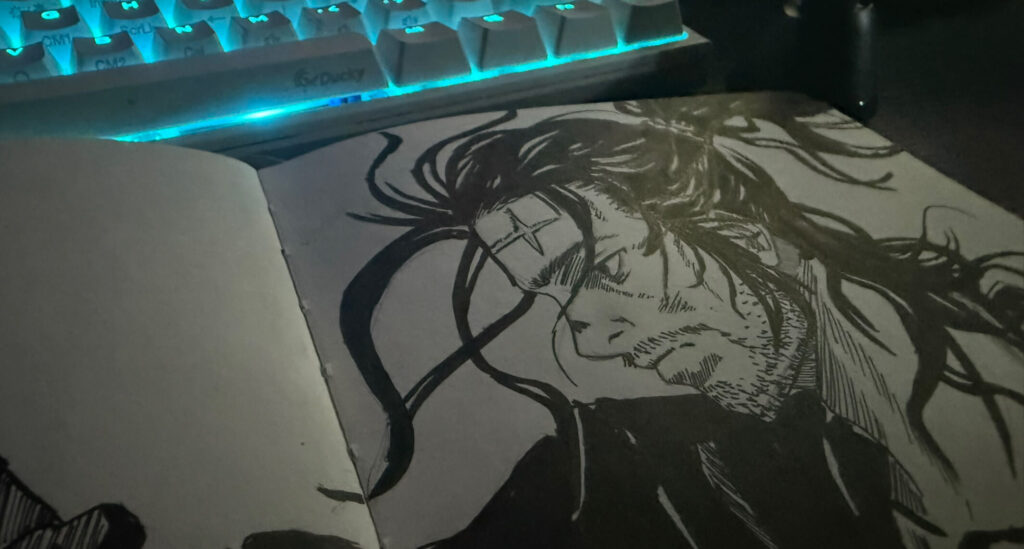
5 Hidden Art Career Killers That Stop Most Artists Before They Even Start — And How to Beat Them
Learn to draw anime-style clouds with this easy, step-by-step cloud tutorial. You’ll pick up tips on shapes, color, and composition—plus get free cloud brushes to use in your own art.

Sketching vs. Drawing: 5 Powerful Insights Every Artist Should Know
Learn the key differences between sketching and drawing—how detail, speed, tools, and intent separate the two and when to use each in your art practice.
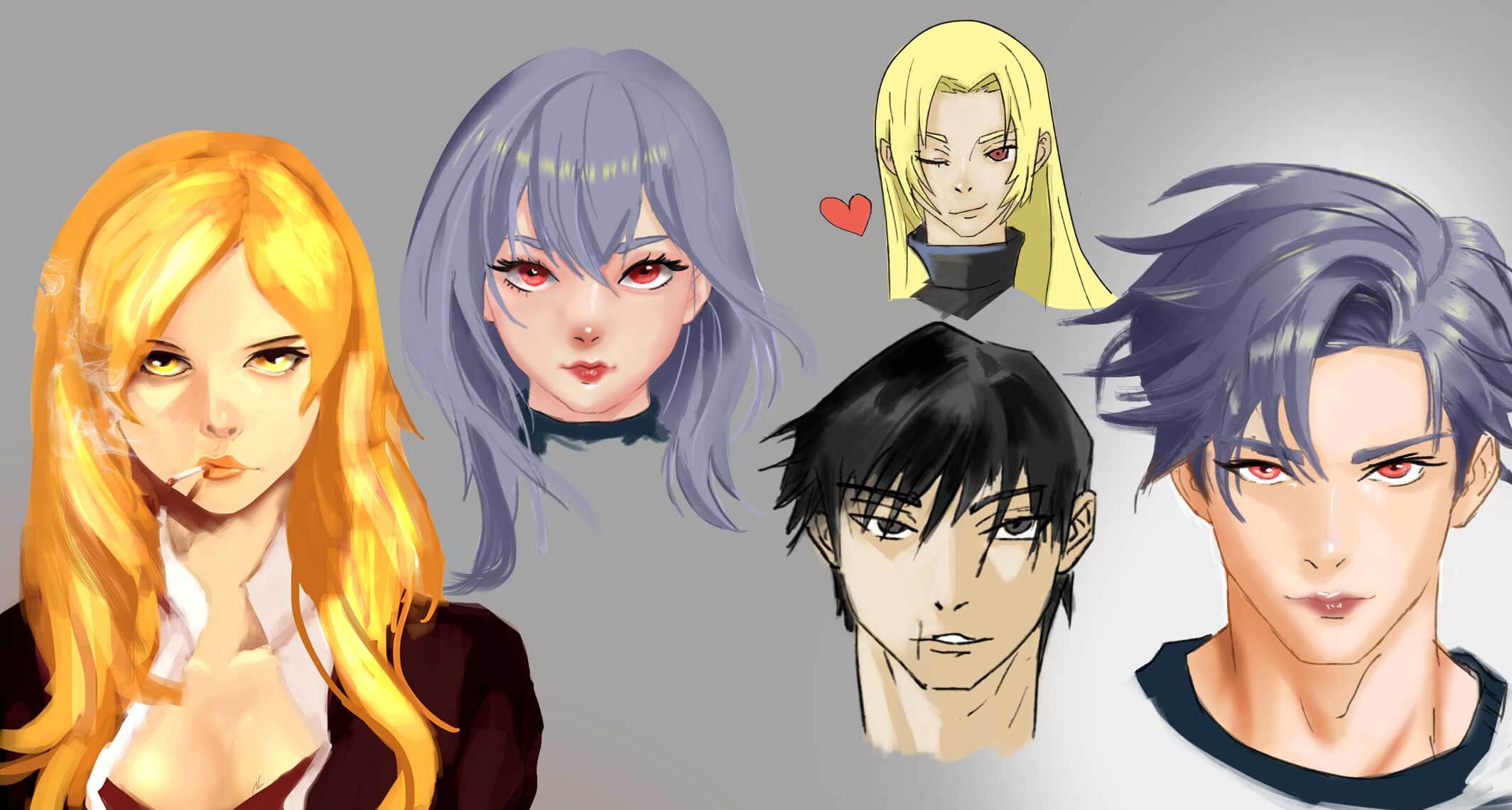
How to Find Your Art Style in 3 Simple Steps
Learn how to find your unique art style through a clear three-step process. Discover how to collect inspiration, analyze your influences, and build your own signature look with deliberate practice.