
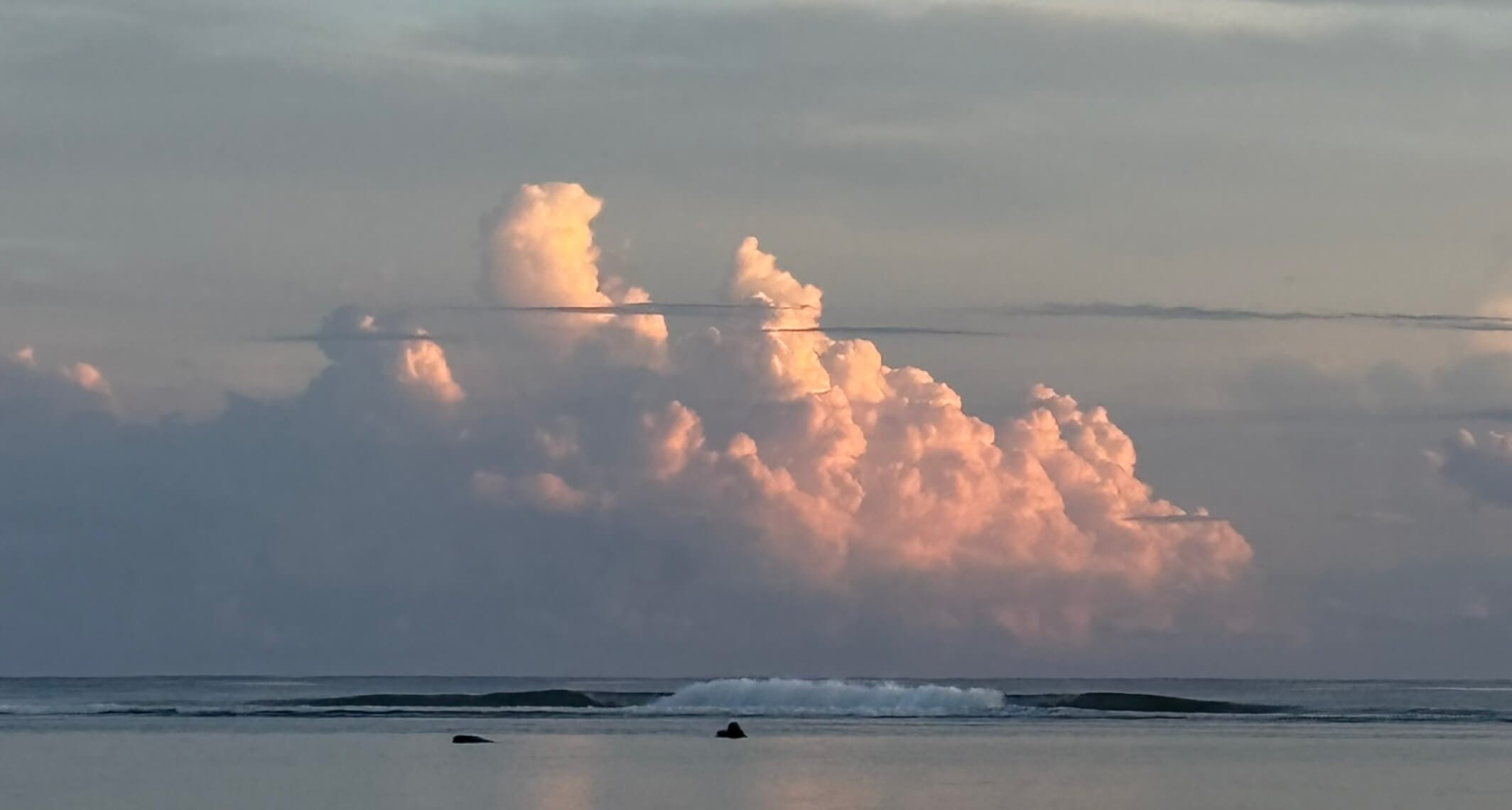
If you’ve ever sat down to draw clouds and realized you were basically guessing — you’re not alone. Most artists, whether they draw anime, realism, or anything in between, struggle with clouds because they rarely stop to actually look at them.
That’s exactly why I started photographing the sky.
I’m an artist based in the Philippines, and over time I built up a personal collection of cloud reference photos — all taken by me, with my phone, along the coast. No fancy equipment. Just a genuine habit of looking up whenever the sky did something interesting. This post shares what I’ve learned from that collection and how you can use cloud references to level up your artwork — no matter your style.
Why Cloud References Matter More Than You Think
Clouds are one of those things artists tend to either skip entirely or draw from memory — and memory clouds almost always look flat and generic. The problem is that real clouds have incredible variety: the way light wraps around a cumulus, the wispy layering of cirrus, the bruised purple-green of a storm building over the ocean.
When you study real cloud photos, you start noticing things you’d never imagine on your own:
- How the base of a storm cloud is almost perfectly flat, but the top billows upward dramatically
- How coastal clouds near the sea catch light differently than inland clouds — softer, more diffused
- How cumulus clouds cast hard shadows on themselves, creating the volumetric look that makes them feel three-dimensional
These are the details that separate a convincing sky from a generic one.
About My Cloud Reference Collection
My collection currently sits at around 20–50 photos, and I’m always adding to it. Everything was shot on a phone camera along the Philippine coast — which, if you’ve ever been here, means genuinely dramatic skies. The mix of tropical heat, ocean humidity, and the wet and dry seasons creates cloud formations you don’t see in many other parts of the world.
The collection covers all the major cloud types artists need:
Cumulus clouds — the classic “puffy” clouds. Great for cheerful daytime scenes, anime backgrounds, and stylized landscapes.
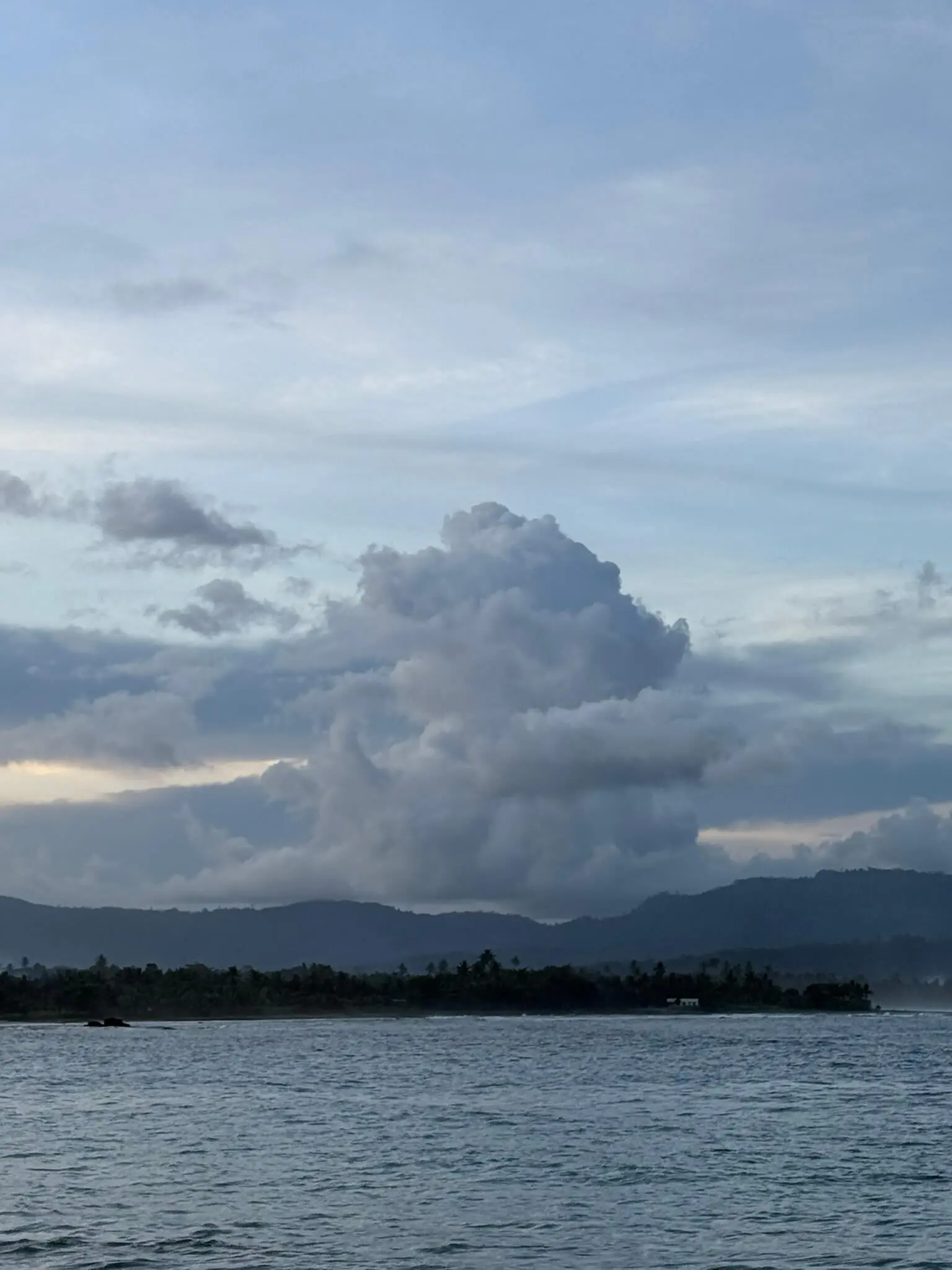
Cirrus clouds — thin, wispy, and high altitude. Useful for adding depth and atmosphere to a sky without crowding it.
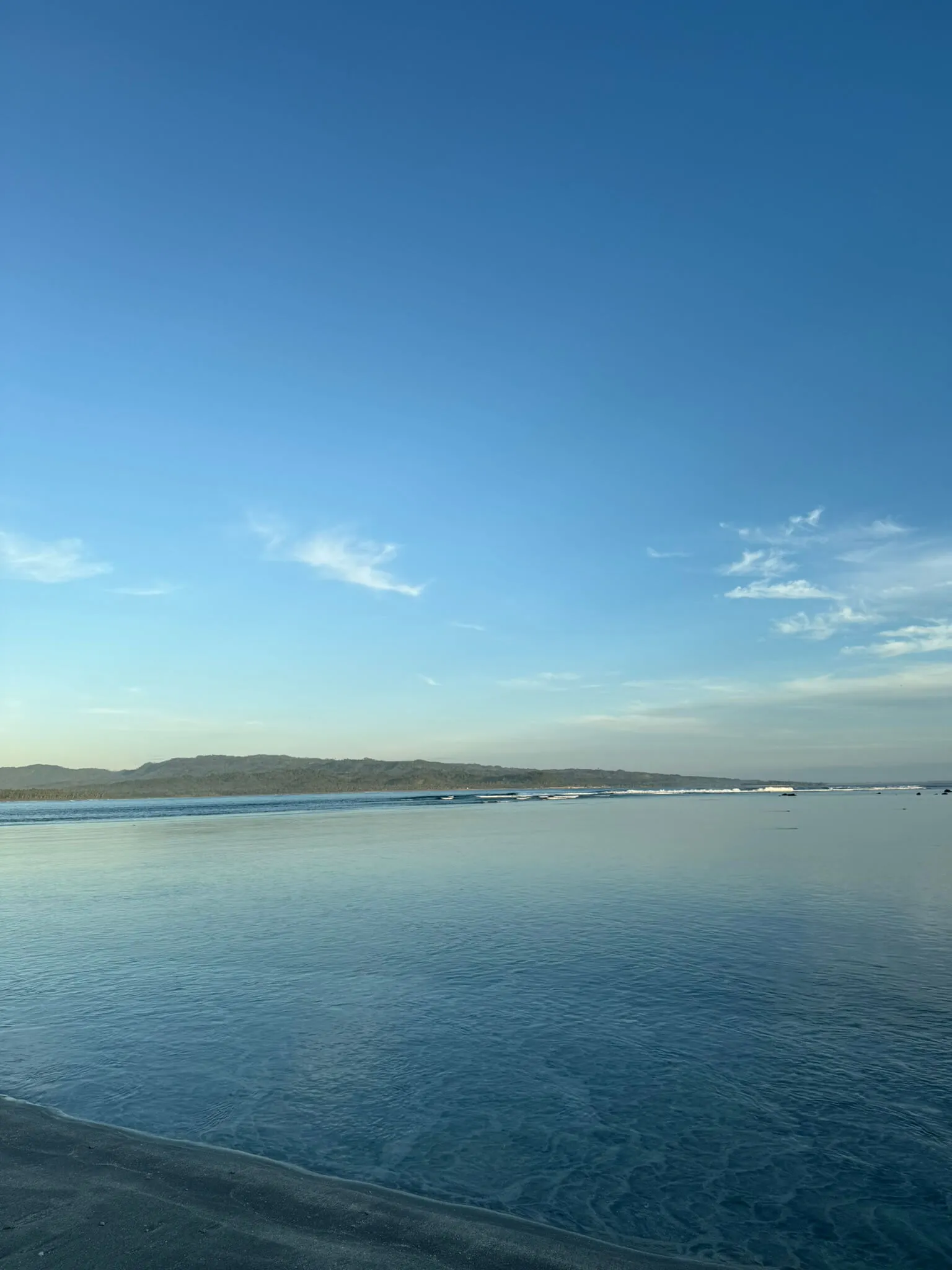
Stratocumulus — the layered, overcast kind. Perfect for moody scenes or backgrounds that shouldn’t compete with your foreground subject.
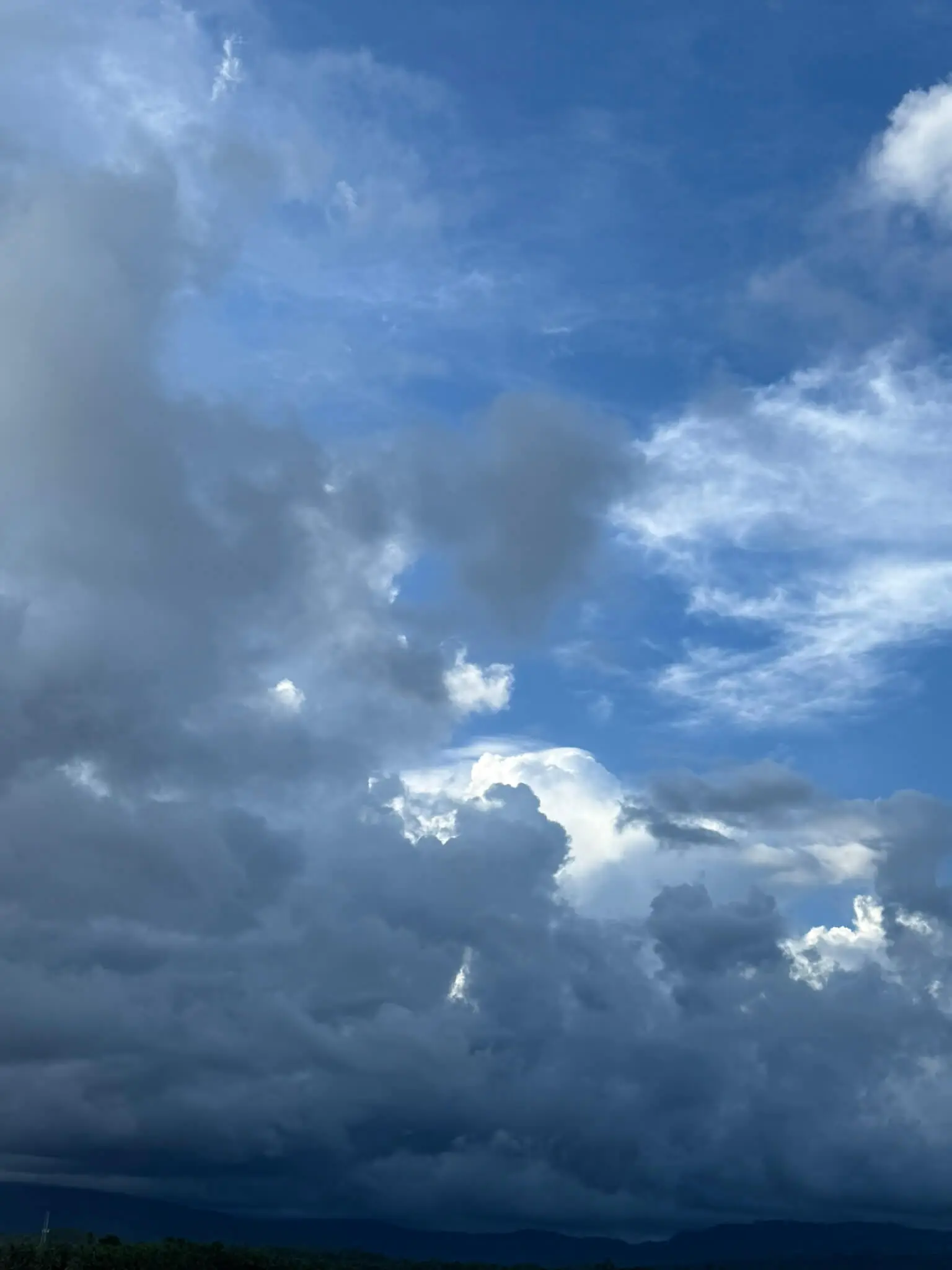
Storm clouds / cumulonimbus — the dramatic ones. Tall, dark, and full of contrast. Essential if you draw action scenes, fantasy landscapes, or anime-style storms.
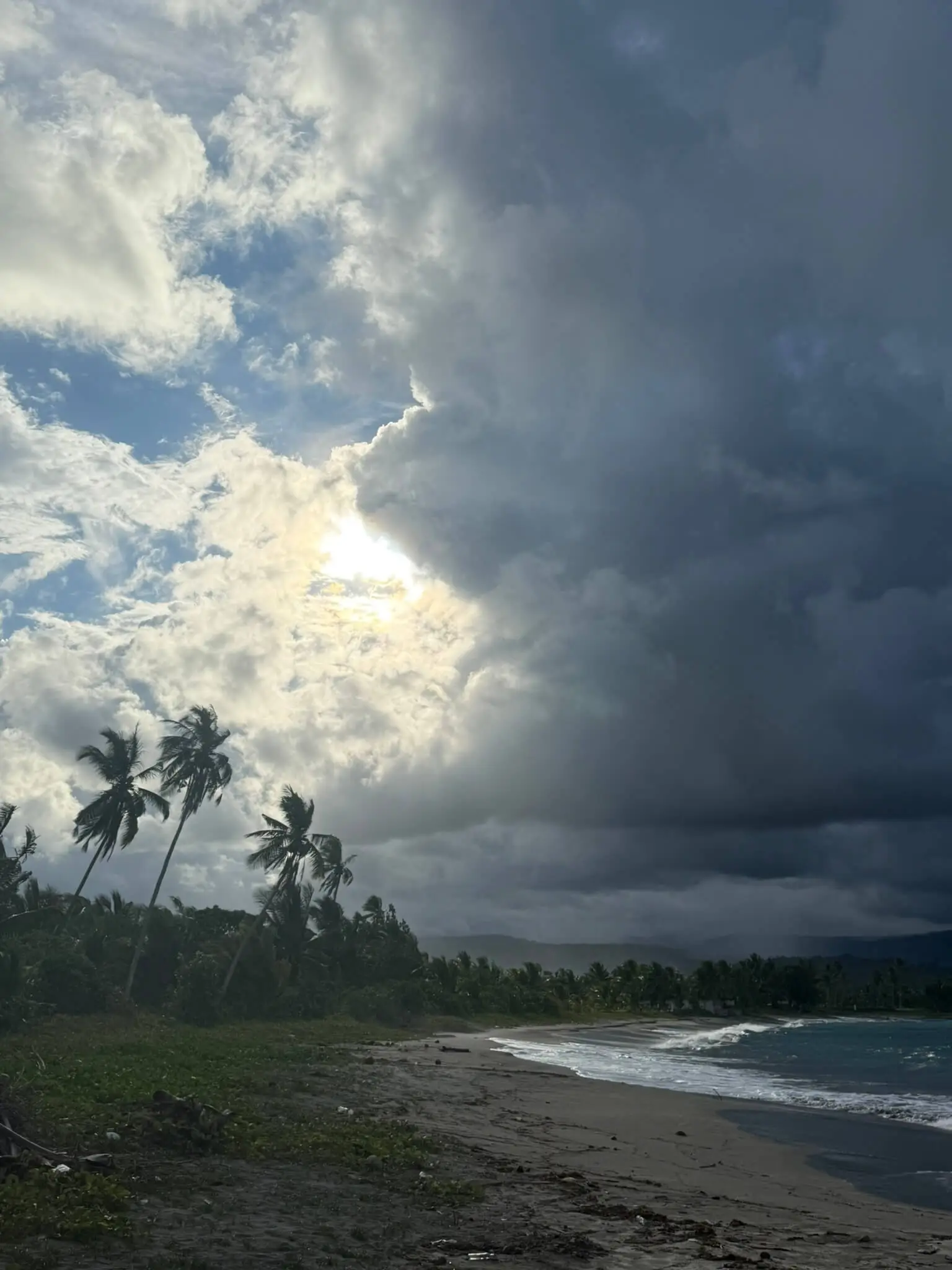
Sunset and golden hour clouds — backlit clouds with warm color gradations. These are some of the most useful references for anime and illustration styles because of how the light behaves.
How to Actually Use Cloud References When Drawing
Having references is one thing. Knowing how to use them is another. Here’s my process:
1. Study the silhouette first. Before you look at light or color, trace the outer shape of the cloud in your mind. Is it lumpy and rounded? Wispy and diagonal? Flat on one side? The silhouette is the foundation of a believable cloud.
2. Find where the light hits. Look for the lightest point — that’s where light hits directly. Then find the transition zone (soft midtones) and the shadow areas, usually on the underside or where forms overlap. This is what gives clouds their volume.
3. Simplify what you see. You’re not copying the photo — you’re learning from it. Reduce the cloud to 3–5 major shapes. That’s enough information to reconstruct it in any style, including anime or Ghibli-style stylization.
4. Practice the same cloud in different styles. Take one reference photo and draw it realistically, then in a simplified anime style, then in a graphic/flat style. This teaches you which details matter and which are just noise.
Philippine Coastal Clouds: A Unique Reference
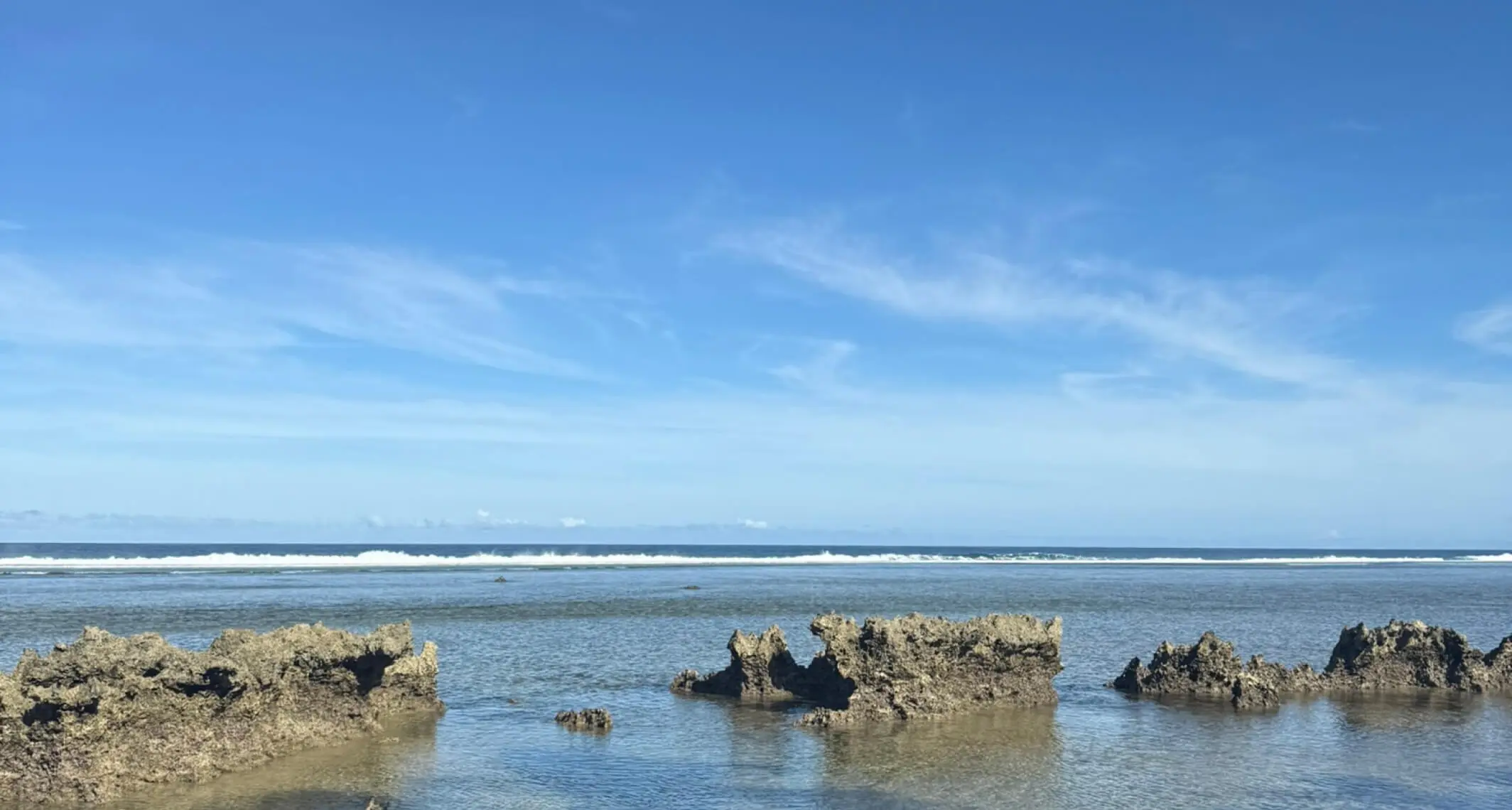
One thing that makes this collection a bit different is the location. The Philippines sits in the tropics, and coastal skies here are genuinely unlike what you’d find in reference libraries built around North American or European landscapes.
Tropical clouds tend to be taller and more vertical. The cumulonimbus formations here during rainy season are enormous — the kind of scale that looks almost unreal. And because we’re surrounded by ocean, light reflects differently off the clouds. There’s a softness and luminosity to coastal Philippine skies that I’ve found especially useful for illustration work.
If you’ve been relying on references from stock photo libraries, this kind of regional variety in your reference collection is genuinely useful. Different skies teach you different things.
Get the Full Reference Pack on Gumroad
I’ve put together a downloadable pack of my cloud reference photos — organized by cloud type and optimized for use as drawing references (good resolution, varied lighting conditions, a mix of close-up and wide sky shots).
→ Get the Cloud Reference Pack on Gumroad (link coming soon — pack is in final prep)
The pack is priced at a few dollars and is intended for personal use by artists: drawing, painting, digital illustration, whatever your medium. If you’re working on a scene and need something specific — a storm building over the ocean, or soft cumulus on a clear day — this gives you real photos to work from instead of guessing.
Pairing References with Your Cloud Tutorial Practice
If you’ve already read my complete guide to drawing anime clouds, you know I talk about the importance of studying real clouds before stylizing them. This reference pack is the companion to that process.
Use the photos to study structure and light. Then bring what you’ve learned into your stylized drawings. That pipeline — observe, understand, stylize — is what separates clouds that feel alive from ones that feel pasted on.
Frequently Asked Questions
Can I use these cloud reference photos for commercial artwork?
The reference pack is licensed for personal use — meaning you can use the photos to study and draw from as much as you like. The artwork you create from studying them is entirely yours to sell or publish. The photos themselves (as photos) are not for redistribution or resale.
What cloud type should I study first as a beginner?
Start with cumulus clouds — the classic puffy ones. They have the clearest light and shadow structure, which makes them the easiest to understand as 3D forms. Once you can convincingly draw a cumulus, the principles transfer to every other cloud type.
Do I need to draw clouds realistically before learning anime style?
Not strictly, but it helps enormously. Even a week of studying real cloud structure will change how your stylized clouds look. You don’t need photorealism — you just need enough understanding of how light wraps around a cloud form so that your stylized version feels grounded. My anime cloud tutorial covers exactly this transition.
What’s the best way to use photo references without just copying them?
Don’t aim to reproduce the photo. Instead, spend a few minutes studying it — identify the main shapes, where the light source is, and where the darkest shadows fall. Then close or minimize the reference and draw from memory. Check back after. This method builds genuine understanding rather than dependence on the reference.
Are phone camera photos good enough for art reference?
Absolutely. What matters in a reference photo is lighting, shape, and composition — not megapixels. Modern phone cameras capture more than enough detail for studying cloud structure. All the photos in this collection were taken on a phone, and the quality is more than sufficient for drawing reference.
Why are Philippine coastal clouds useful specifically?
Tropical coastal skies produce cloud formations that are taller, more dramatic, and more vertically developed than what you’d typically find in reference libraries built around temperate climates. The light quality near the ocean also differs — softer and more diffused. If your art features fantasy landscapes, anime-style environments, or dramatic skies, this kind of regional variety in your reference library is genuinely useful.
Final Thoughts
The sky is one of the most overlooked resources an artist has. It’s free, it changes constantly, and it’s right above you.
But if you don’t have time to look up and photograph every sky you see, a good reference collection does the next best thing. It gives you a bank of real observations to draw from — built from someone who does look up, often, and saves what they see.
I hope these references help your work. Whether you’re drawing realistic landscapes, anime backgrounds, or stylized illustrations — studying real clouds will change how you approach the sky in your art.
Have questions about cloud drawing or the reference pack? Leave a comment below — I’d love to help.
Discover More Posts
Keep exploring stories, insights, and creative notes from my journey as an artist. Check out the latest blog entries and find topics that inspire your own process.
5 Hidden Art Career Killers That Stop Most Artists Before They Even Start — And How to Beat Them
Learn to draw anime-style clouds with this easy, step-by-step cloud tutorial. You’ll pick up tips on shapes, color, and composition—plus get free cloud brushes to use in your own art.

Sketching vs. Drawing: 5 Powerful Insights Every Artist Should Know
Learn the key differences between sketching and drawing—how detail, speed, tools, and intent separate the two and when to use each in your art practice.
How to Find Your Art Style in 3 Simple Steps
Learn how to find your unique art style through a clear three-step process. Discover how to collect inspiration, analyze your influences, and build your own signature look with deliberate practice.