
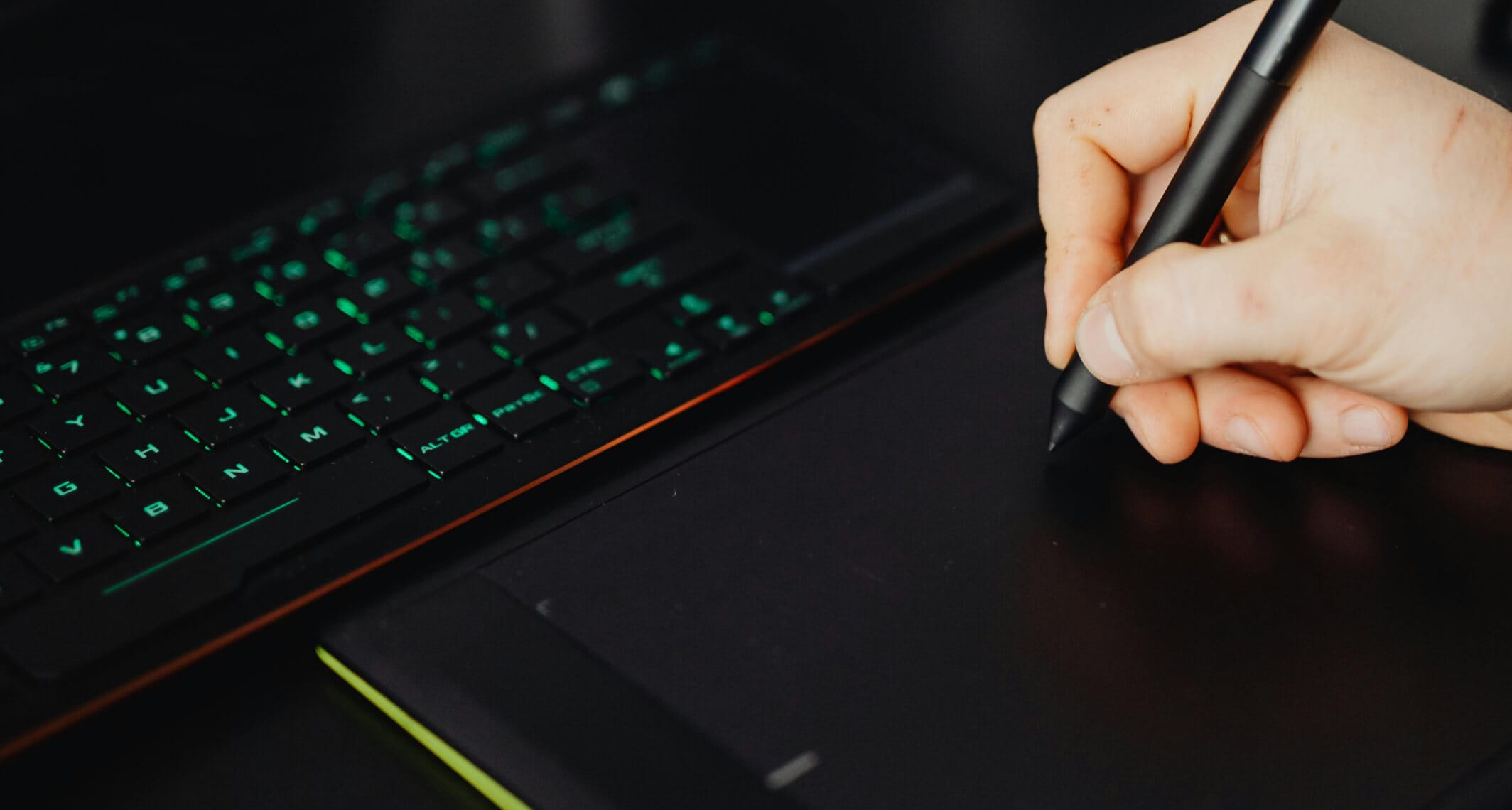
I want to start with something honest: I currently don’t make my primary income from art. I work as a web developer. My art practice is funded by that income, not the other way around — and I’ve made peace with that being the right arrangement for this chapter of my life.
But I’ve earned money from art before. My first commission was in grade school. I’ve sold work locally in Davao. I’ve navigated DeviantArt and ArtStation. I’ve studied the income paths that serious artists use, tried some of them, and watched others succeed and fail in specific ways. I take commission exceptions for people I know personally and for nonprofit charities.
That combination — real experience at every scale, plus the perspective of someone who has also stepped back — makes me think I can give you a more honest picture of this than most guides do. Most “ways to make money as an artist” posts are written by people trying to sell you a course or monetize your traffic. This one is written by someone who has been in the rooms this topic describes and wants to tell you what they actually look like from the inside.
Part 1 — The Foundational Truth: Talent and Business Are Separate Skills
📖 Allard’s Story: The Grade School Lesson
My first commission came when I was still in grade school. My teacher recommended me to her students — if they needed artwork done, they should come to Allard. I was honored. I worked hard on the piece: a religious painting depicting a Station of the Cross for our private Christian school. I was proud of it. Then the client didn’t pay me the agreed amount. I cried. I went back to my teacher who had recommended me. She helped me sort it out as best she could. That day taught me something that took years to fully sink in: my talent and my business are two completely separate things. I could make something beautiful and still get burned if I didn’t protect myself. Being good at making art does not make you good at the business of making art. Those are different skill sets that have to be learned separately. Every income path in this guide requires both. The art gets you in the door. The business keeps you from crying at the end of it.
I lead with that story every time this topic comes up because it’s the foundation that everything else sits on. The artists who build sustainable income from their work aren’t necessarily the most talented ones in the room. They’re the ones who learned — usually through painful experience — how to protect their work, price it correctly, and run the business side with the same intention they bring to the creative side.
No one wants to pay for something they don’t know exists.
That’s the second foundational truth. It doesn’t matter how good your art is if the right people have never seen it. Visibility is not a nice-to-have — it’s the prerequisite for every income stream on this list. Before any money changes hands, someone has to know your work exists and believe it’s worth paying for. That happens through your portfolio, your social presence, your community involvement, and the reputation you build over time. Build those first. The income follows.
Part 2 — The Income Paths: What They Actually Look Like
1. Commissions — The Classic Starting Point
Commissions are the most direct income path: someone pays you to create a specific piece of art for them. Character portraits, OC art, fan art, pet portraits, logo illustrations, concept art — the range of commission types is enormous, and somewhere in that range is almost certainly a type of work you can do well.
💬 From Allard:
I currently take commissions by exception only — for people I know personally, or for nonprofit charities. I made that choice because my relationship with art right now is about joy and exploration rather than client work. But I’ve taken commissions before, and the commission structure I wish I’d had from the beginning: 50% deposit upfront before starting any significant work. A written agreement about scope and revisions. A clear delivery timeline. My grade school self didn’t have any of that. Learn from that.
What commissions actually require:
- A portfolio of 5+ finished pieces in the style you’re offering — not sketches, not variety packs, but clear examples of exactly what clients will receive
- A simple Terms of Service covering payment terms, revision policy, what you will and won’t draw, and delivery format
- A way to receive payment — PayPal for international, GCash for Philippine clients, Ko-fi for integrated commission management
- A realistic turnaround time that accounts for your actual schedule, not your ideal schedule
- Visibility in communities where your target clients spend time
Realistic income: Beginners typically earn $15–$75 per piece. Intermediate artists with established styles earn $100–$500. Established professional illustrators charge $500–$5,000+ for complex finished pieces. Philippine market rates in peso: ₱300–₱800 for simple icons, ₱1,500–₱4,000 for shaded character illustrations.
The limitation: Commissions trade time for money directly. Every piece requires fresh creative effort. There’s no scaling — you can only take as many commissions as your hours allow. This is why most serious artists use commissions as one stream among several rather than as their only income.
For the complete commission guide including pricing tables, ToS templates, and how to get your first client: Are You Good Enough to Take Art Commissions?
2. Print-on-Demand — Passive Income That Takes Time to Build
Print-on-demand (POD) platforms like Redbubble, Society6, and TeePublic let you upload your art and sell it on physical products — t-shirts, stickers, prints, phone cases, mugs, tote bags — without holding any inventory. The platform handles manufacturing, shipping, and customer service. You upload a file once and earn a percentage of every sale indefinitely.
This is genuinely passive once established. A design you upload today could be generating income two years from now with no additional effort from you. That’s real and worth pursuing.
💬 From Allard on Redbubble specifically:
Redbubble’s 2025 fee restructure is something every artist considering POD needs to understand before starting. Standard tier artists now pay a 50% platform fee on their earnings — meaning for every dollar you earn, you keep fifty cents. That’s a significant cut on top of Redbubble’s already thin base margins. The Pro tier (no platform fee) goes to artists with consistently high sales volume. The economics work, but they work slowly and require significant design volume — most artists don’t see meaningful income until they have 100+ designs live. Go in knowing this, not discovering it after three months of work.
What POD actually requires:
- Volume — most artists need 100–200 designs live before seeing consistent monthly sales
- Niche targeting — generic designs compete with millions of others; specific niche designs (a particular fandom, profession, hobby, animal breed) find their audience
- Keyword optimization — your title, tags, and description are how buyers find your work in search
- External traffic — driving your own audience to your shop dramatically accelerates results
- High-resolution files — Redbubble recommends 7632 × 10788 px at 300 DPI for maximum product compatibility
Realistic income: $0–$50/month for artists with fewer than 50 designs and no external traffic. $100–$500/month for artists with 100–200 niche-targeted designs. $500–$3,000+/month for established artists with large portfolios and active audiences driving traffic. For the full Redbubble breakdown: Redbubble for Artists: Is It Worth It?
3. Selling Digital Products — The Highest-Margin Passive Option
Digital products — brush packs, texture sets, color palettes, reference sheets, pose packs, drawing guides, line art for coloring — sell for a fixed price and can be downloaded an unlimited number of times with no additional effort. The margin is exceptional: a brush pack sold on Gumroad for $10 nets approximately $8.70 after fees. The same $10 in Redbubble sales on a Standard tier might net $1–$2 after manufacturing costs and platform fees.
The limiting factor is audience. Digital products sell to other artists — which means you need to be known in the artist community before your products have anyone to sell to. This is why most artists who successfully sell digital products have an existing following from posting their work publicly, running a YouTube channel, or being active in specific communities.
Best platforms: Gumroad (most flexible, lowest fees, popular with the art community), ArtStation Marketplace (for game-art and professional audiences), Creative Market (for design-focused products), your own website (maximum control, no platform fees, but you drive all traffic).
What sells well: Brush packs in specific styles (anime brushes, watercolor brushes, texture brushes), reference pose packs for artists, palettes curated for specific aesthetics (skin tones, sunset palettes, fantasy color sets), and any tutorial content that teaches a specific technique clearly.
Realistic income: Highly variable, but a popular brush pack can earn $200–$2,000/month passively once established. The investment is creating something genuinely useful — which means knowing your audience’s specific needs well enough to make something they’d pay for.
4. Content Creation — YouTube, Patreon, and Social Media
Documenting your creative process — speedpaints, tutorials, process breakdowns, art vlogs, stream sessions — can build an audience that generates income through YouTube ad revenue, Patreon memberships, and brand sponsorships. This is the longest path to income but produces the most durable and scalable results once established.
💬 From Allard:
This blog — the one you’re reading right now — started from the idea I had in college: I want to build my own website and share my artwork and what I’ve learned. That idea took years to execute. First a CS degree. Then a first developer job. Then building the site with skills I’d been accumulating. The vision and the execution were separated by a long stretch of other things happening. That’s okay. Good creative ideas don’t expire. They just wait until you have the skills and the time to execute them.
YouTube specifically: Ad monetization requires 1,000 subscribers and 4,000 watch hours — a threshold that takes most art channels 6–18 months to reach. But the compounding benefit is significant. A library of tutorial videos continues attracting views and generating revenue for years after they’re posted. Artists who start a YouTube channel early, even with imperfect videos, build an asset that grows independently of their active effort over time.
Patreon: Membership platforms let your audience pay a monthly subscription in exchange for exclusive content — early access to work, behind-the-scenes process, exclusive tutorials, monthly drawings. A Patreon with 100 patrons at an average of $5/month generates $500/month — meaningful supplementary income that doesn’t require large audience numbers to be significant.
Realistic income: $0 for the first 6–18 months while building audience. $200–$1,000/month once established with a modest audience. $1,000–$10,000+/month for artists with large, engaged audiences across multiple platforms. The outliers make much more; most artists land somewhere in the middle range.
5. Freelance Illustration — Client Work Beyond Personal Commissions
Freelance illustration goes beyond personal commissions (fan art, character portraits) into commercial work: book covers, editorial illustration, game asset creation, brand illustration, advertising imagery, children’s book art. The work is more demanding and the bar for professionalism is higher — but the rates reflect that.
What separates freelance illustration from commissions: Clients are usually companies or publishers rather than individuals. Projects often involve multiple revision rounds, detailed briefs, contracts, and invoicing. Deadlines are firmer. The expectation of professional behavior — communication, delivery reliability, ability to take and implement direction — is higher.
Where to find freelance illustration work: Behance and ArtStation for portfolio visibility that attracts clients, direct outreach to publishers and studios whose aesthetic matches your work, freelance platforms like Upwork and Fiverr for lower-barrier entry work, and Reedsy for book cover illustration specifically.
Realistic income: Editorial illustration rates range from $150–$1,500+ per piece depending on publication and complexity. Book cover illustration typically runs $300–$3,000+ depending on the publisher. Game asset creation rates vary by studio size and project scope. Building a client base in these markets takes time — typically 2–3 years of building a professional portfolio and reputation before clients come to you rather than the other way around.
6. Teaching and Tutorials — Sharing What You Know
If you can draw and you can explain — you can teach. Online art courses and tutorials are one of the highest-earning opportunities for established artists. A single well-produced course on a specific technique can generate income for years after its creation with no additional maintenance.
The honest prerequisite: You need to be skilled enough in your subject area that you’re teaching something genuinely useful, and known enough that people trust your instruction. Most artists who successfully sell courses have an existing audience from their portfolio work or content creation. A course launched to zero audience sells zero copies.
Platforms: Skillshare (pays per minute watched, good for discoverability), Udemy (one-time purchase model, large built-in audience), Gumroad (full price control, sell direct to your audience), your own website (maximum margin, maximum control, zero built-in discovery).
Realistic income: A course launched to an audience of 5,000 subscribers might generate $2,000–$10,000 in the first week and $200–$500/month passively thereafter. Without an existing audience, course income is minimal regardless of course quality.
7. Studio Employment and In-House Work — Stable Salary, Less Freedom
Game studios, animation companies, advertising agencies, and publishing houses hire artists as employees with salaries, benefits, and project structure. This is the most financially stable option — consistent income, no hustle for clients, no algorithm dependency — but it comes with less creative freedom and a higher bar for entry.
What studios are hiring for: Concept artists, character artists, environment artists, UI artists, 3D modelers, riggers, animators, background painters. The specific titles vary by studio type. ArtStation is the primary portfolio platform for studio positions — recruiters actively browse it.
The portfolio requirement: Studio positions require a professional portfolio specifically tailored to the role and studio type. A game studio hiring a character artist wants to see polished character art in the style that studio produces — not a mixed portfolio of everything you can do. Specialization and professional polish are more important than range.
Realistic income: Entry-level studio positions range from $40,000–$60,000/year depending on location and studio size. Senior and lead positions range from $80,000–$150,000+. Remote positions are increasingly common, which opens international studio opportunities to artists in lower-cost locations.
Part 3 — The Day Job and Art: Why the Combination Works
I want to address something directly that most art income guides avoid: having a day job alongside your art practice is not a failure state. It’s a legitimate strategy — and for many artists, it’s the strategy that allows the best creative work.
💬 From Allard — the real reason I became a web developer:
I studied Computer Science in college and built a career as a web developer. When I graduated and got my first job, I bought a Wacom Intuos Pro with one of my early paychecks — the tablet I still use today. The stable income from web development funded the equipment that enabled the art. It removed the pressure to monetize every piece I made. It gave me the freedom to experiment, to make things nobody paid for, to keep growing without the stress of “does this piece generate income?” Art made entirely under financial pressure tends to be reactive rather than exploratory. You chase what sells rather than what interests you. The day job creates space for the art to be genuinely yours. I don’t say this to discourage anyone from pursuing full-time art income — I say it because the path through the day job is a real and valid one, not a consolation prize.
The practical case for the day job + art combination:
- Financial stability removes desperation from creative decisions — you don’t have to take bad commissions or chase trends you don’t care about
- Consistent income funds better equipment and tools without debt
- The separation between “work for money” and “art for love” keeps the art from being corrupted by financial pressure
- Day jobs with relevant skills — design, development, marketing — often provide crossover value that makes the art more commercially viable over time
The artists who eventually go full-time from art rarely do it by quitting their job and hoping art picks up. They do it by building their art income slowly while working — reaching a point where the art income is consistent and substantial enough that the transition is financially sound rather than a leap of faith.
Part 4 — The Visibility Problem: Why Good Art Isn’t Enough
No one wants to pay for something they don’t know exists.
This is the truth that underlies every income path for artists. You can have the best portfolio in your city, your country, your genre — and if the right people haven’t seen it, it doesn’t generate income. Visibility isn’t a nice-to-have. It’s the prerequisite for everything else.
I built my early reputation in Davao the old-fashioned way — winning art competitions in school, getting recommended by a teacher, being the person people in my community knew could draw. That was visibility in a small-town context. Online, the same principle applies but the mechanism is completely different.
Online visibility requires deliberate effort:
- A portfolio that’s one click away from wherever you put your name — social media bio, email signature, forum profile, everywhere
- Regular posting in the communities where your buyers or clients spend time — not just your own feed, but relevant hashtags, Discord servers, subreddits, and fandom spaces
- A distinctive style — art that people recognize as yours when they see it, not art that could have been made by any of ten other artists in the same genre
- Consistency over time — visibility compounds. An artist who posts regularly for two years is exponentially more findable than one who posted for two months and then went quiet
In the current environment where AI-generated art floods most platforms, visibility is increasingly about distinctiveness rather than volume. Generic art at any volume competes with machines that can produce infinite generic art. Distinctly personal art — work that reflects a specific human perspective, story, and aesthetic — has an inherent quality that no AI prompt can replicate at scale. That’s your competitive advantage. Protect it.
Part 5 — Income Stream Comparison
| Income Path | Time to First Income | Scales Without Extra Time? | Requires Audience First? | Realistic Monthly Ceiling |
|---|---|---|---|---|
| Commissions | Days–weeks | No — time-limited | Helps but not required | Medium (limited by hours) |
| Print-on-Demand | Weeks–months | Yes | Helps significantly | Medium–High |
| Digital Products | Weeks (after audience) | Yes | Yes — critical | High |
| YouTube / Content | 6–18 months | Yes | Builds its own | Very High |
| Patreon | Months (after audience) | Yes | Yes — critical | High |
| Online Courses | After audience exists | Yes | Yes — critical | Very High |
| Freelance Illustration | Months–years | No — time-limited | Portfolio required | High (but capped by hours) |
| Studio Employment | Months–years | No | Portfolio required | High (stable salary) |
The pattern: active income paths (commissions, freelance) generate money faster but don’t scale. Passive income paths (POD, digital products, courses) take longer to establish but generate money while you sleep. Most financially sustainable artist careers combine both — active income to survive while passive income is built.
Part 6 — The Sequence That Actually Works
Most income guides present all the options as equally accessible at any stage. That’s not accurate. Here’s the sequence that mirrors how artists actually build income over time:
- Build your skills and portfolio first (months 1–12+). No income path works without work worth paying for. Everything else on this list is downstream of having a portfolio that demonstrates skill in a specific area.
- Open commissions in your immediate community (months 6–18). Your first clients are almost always people who already know you — friends, classmates, local community members, social media followers who’ve been watching your growth. Start there before competing in the open market.
- Build public visibility in parallel (ongoing from day one). Post regularly. Share process. Engage with communities. The visibility you build from the start determines how quickly every subsequent income path becomes accessible.
- Add passive income streams once you have something to sell (year 1–2). Upload to Redbubble. Create a digital product. These require an existing body of work and some audience — both of which you’ve been building in steps 1–3.
- Build content and teaching once you have something to teach (year 2+). YouTube channels, Patreon, and courses require both skill and audience. They’re year-2 moves, not day-1 moves.
- Scale whichever streams are working, and add new ones deliberately. Most successful artists run 2–3 income streams simultaneously — one active (commissions or freelance), one passive (POD or digital products), and one relationship-based (Patreon or teaching). Adding streams one at a time prevents spreading too thin.
Frequently Asked Questions
How long does it take to make your first money from art?
The fastest path is commissions from people who already know your work — this can happen within days of announcing you’re open for commissions to an existing network. Print-on-demand typically takes weeks to months for a first sale. Content-based income (YouTube, Patreon) takes 6–18 months before meaningful money arrives. The honest answer is: the first dollar comes quickly for most artists who put their work in front of people. Consistent income that covers meaningful expenses takes one to three years of deliberate effort, regardless of which path you choose.
Is it realistic to make a full-time living as an artist?
Yes — but not at the beginning, and not for everyone who wants it. The artists who successfully go full-time almost always did it by building income slowly alongside other work until the art income was consistent enough to support the transition. Going full-time immediately with no existing income base and no established audience is a high-risk strategy that works for a small minority. The more reliable path is the parallel one: day job plus art income building simultaneously, transitioning full-time when the numbers support it rather than as a leap of faith.
Do I need a large social media following to make money from art?
No — but you need some audience somewhere. An artist with 500 engaged followers in a specific fandom community can run a profitable commission queue. An artist with 100 genuine supporters can earn meaningful Patreon income. Large follower counts help but aren’t the prerequisite. Engaged, relevant followers in the right community matter more than total numbers. A portfolio shared in the right Discord server can generate more commission inquiries than 10,000 random Instagram followers who aren’t potential buyers.
What’s the single highest-margin way to make money from art?
Selling digital products directly to buyers — brush packs, reference sheets, tutorial PDFs — through a platform like Gumroad. After Gumroad’s small fee, you keep approximately 87% of the sale price. There’s no manufacturing cost, no shipping, no physical inventory. Once created, a digital product can be sold thousands of times with no additional effort. The constraint is audience — without existing followers who trust you enough to buy your products, even excellent products sit unsold. Build the audience first, then the products to sell to them.
Is Redbubble worth it for beginning artists?
With realistic expectations — yes, as a supplementary passive income stream. Not as a primary income source, and not with expectations of quick results. Under the 2025 fee structure, Standard tier artists pay 50% of their earnings in platform fees, which means thin margins until you achieve Premium or Pro tier status. It’s worth starting because the upfront cost is zero and the potential is real — but approach it as a long-term project requiring 100+ designs and consistent niche targeting, not a quick win. Full breakdown: Redbubble for Artists: Is It Worth It?
How do I price my art commissions fairly?
Start from your time rather than from what you think the market will bear. Track how long a piece actually takes to complete. Decide what hourly rate feels fair for your skill level and your market. Multiply. That’s your floor — the price below which you’re losing money on your time. Then check that price against what the market supports for your skill level and style. If the floor is above what the market will currently pay, the answer isn’t to work for less than your time is worth — it’s to either price at the floor and build toward clients who will pay it, or to build your skills until your market rate rises to meet your floor. More details including specific rate tables: Digital Art Careers.
Should I focus on one income stream or multiple?
Start with one and go deep before adding a second. The most common mistake is attempting five streams simultaneously before any of them are established, resulting in mediocre presence and mediocre results everywhere. Pick the stream that matches your current skills and audience level — typically commissions for beginners — build it until it’s generating consistent results, then add one more. The goal is 2–3 well-established streams, not six weak ones.
Does my art have to be “professional quality” before I start making money?
No — but it needs to be good enough for whoever is paying you. Those are different standards. A beginner artist taking their first ₱300 chibi commission doesn’t need professional-quality work — they need work that’s worth ₱300 to the specific client who hired them. Quality requirements scale with rates. Your first clients are people who believe in you and value your specific style, not a universal quality standard. Start where you are and raise your rates as your quality rises. Waiting for “professional quality” before starting means waiting forever, because that threshold keeps moving as you improve.
How important is a niche for making money as an artist?
Very important — and underestimated by most beginners. “I’ll draw anything” sounds flexible but reads as unfocused to potential clients and buyers. Artists who are known for something specific get hired for that specific thing. The artist who draws anime character portraits gets hired for anime character portraits. The artist who makes sticker designs for cat lovers sells sticker designs to cat lovers. Your niche is the filter that removes the wrong clients and attracts the right ones. It can evolve over time, but having a clear primary focus dramatically accelerates every income path on this list.
What’s the biggest mistake artists make when trying to monetize their work?
Trying to monetize before building visibility, then concluding that art can’t be monetized when no income arrives. The sequence matters: visibility first, then monetization. An artist who builds a genuine following of 2,000 people who love their specific style before opening commissions will fill their first commission queue quickly. The same artist with the same quality work who opens commissions to zero audience will get zero commissions and conclude the market doesn’t want their work. The market never saw their work. Solve visibility before solving monetization — every income path gets dramatically easier once the right people know you exist.
What to Read Next
- Digital Art Careers: Complete Income Path Guide — deeper breakdown of each career path with salary data, platform specifics, and portfolio requirements
- Are You Good Enough to Take Art Commissions? — the full commission guide including ToS, pricing, getting your first client, and the real story of my first commission
- Redbubble for Artists: Is It Worth It? — honest assessment of the 2025 fee structure and whether POD is worth your time
- Art Career Killers to Avoid — the mistakes that derail artists who are doing everything else right
- How to Stay Motivated to Draw — because building an art income is a long game, and the motivation to keep going matters as much as the strategy
The grade school me who cried over an unpaid commission had the right instincts — the art was worth something, and being paid for it was legitimate. What he was missing was the business knowledge to protect that value. You can build both. Start with the art. Add the business. Keep both growing. 🖊
Discover More Posts
Keep exploring stories, insights, and creative notes from my journey as an artist. Check out the latest blog entries and find topics that inspire your own process.
5 Hidden Art Career Killers That Stop Most Artists Before They Even Start — And How to Beat Them
Learn to draw anime-style clouds with this easy, step-by-step cloud tutorial. You’ll pick up tips on shapes, color, and composition—plus get free cloud brushes to use in your own art.

Sketching vs. Drawing: 5 Powerful Insights Every Artist Should Know
Learn the key differences between sketching and drawing—how detail, speed, tools, and intent separate the two and when to use each in your art practice.
How to Find Your Art Style in 3 Simple Steps
Learn how to find your unique art style through a clear three-step process. Discover how to collect inspiration, analyze your influences, and build your own signature look with deliberate practice.