
Most people who get into digital art start with one question they’re almost afraid to ask out loud: Can I actually make money from this?
The honest answer is yes — but not in the way most beginners imagine. It’s not just about being “good enough.” It’s about understanding how the digital art economy works, what skills are in demand, and how to position yourself to get paid consistently.
I’ve been making digital art for over a decade — no art degree, no formal studio training. Just repetition, curiosity, and learning what actually works. This guide covers every viable path to turning your art skills into income: from freelance commissions and passive digital products to full-time industry careers and content creation. I’ll tell you what each path actually looks like, what it pays, and what it takes to get there.
📌 Before You Read:
This guide is about careers and income paths for digital artists. If you’re still building your foundational skills, start with Digital Art for Beginners first, then come back here when you’re ready to think about monetization.
Part 1 — The Digital Art Economy: Why It’s a Real Career
Not long ago, “making a living as an artist” meant gallery shows, commissions from wealthy patrons, or a teaching job. The internet changed everything. The digital art economy is now massive — and growing.
Here’s what makes digital art different from traditional creative fields:
- It scales. A digital file can be sold hundreds of times. A physical painting can only be sold once. Once you create a digital product — a brush set, a tutorial, a print file — it can generate income indefinitely with no additional effort.
- It’s global. Your clients and customers aren’t limited to your city. A digital artist in Davao City can work for a game studio in Los Angeles, sell prints to buyers in Germany, and run tutorials watched by people in Brazil — all at the same time.
- Demand is outpacing supply. Games, streaming platforms, social media, advertising, publishing, film — all of these industries consume enormous amounts of visual content. The demand for skilled digital artists has never been higher.
- Low barrier to entry. You don’t need an office, a studio, or expensive equipment to start. A tablet, software, and an internet connection is enough to build a career from scratch.
The challenge isn’t whether opportunities exist — they absolutely do. The challenge is knowing which path fits your skills and goals, and building toward it deliberately.
Part 2 — The Major Digital Art Career Paths
Digital art isn’t one career — it’s a cluster of very different careers that all happen to use similar tools. Before you start building toward income, you need to know which path you’re actually on.
🎮 Game Art and Concept Art
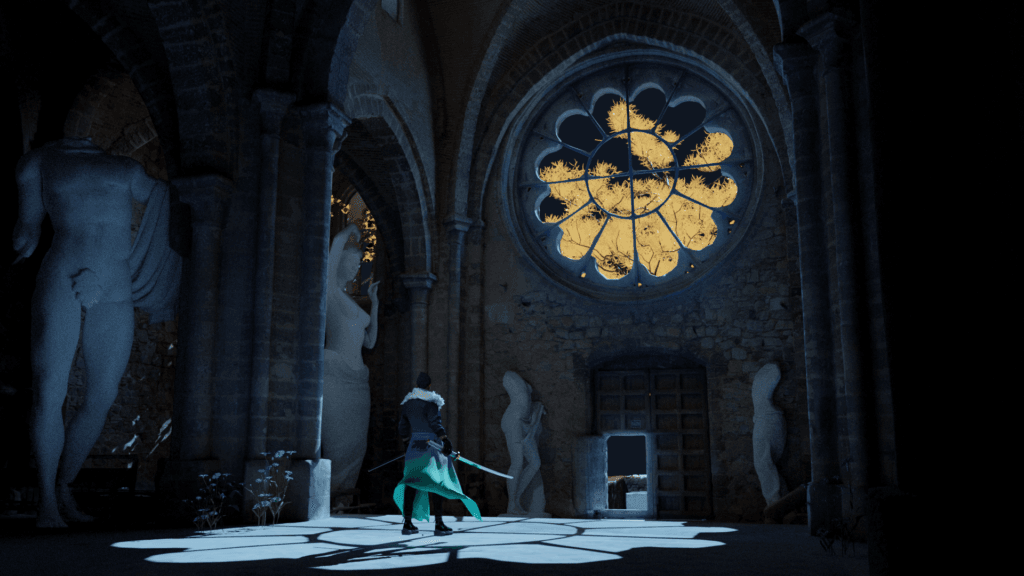
Game studios need artists at every stage of production: concept artists who design characters and environments before they’re built, character artists who model them in 3D, UI artists who design the menus and HUD, and environment artists who build the worlds players explore.
- Skills needed: Character design, environment design, perspective drawing, knowledge of 3D software (Blender, Maya, ZBrush) for some roles
- Entry point: Junior concept artist or game artist roles at indie studios
- Typical income: $45,000–$90,000/year at studios; freelance concept art rates vary from $30–$150+/hour
- Where to look: ArtStation is the primary portfolio platform; job boards include Indeed, LinkedIn, and studio-specific career pages
📚 Illustration and Publishing
Book covers, editorial illustration, children’s book art, graphic novel pages — publishing has continuous demand for skilled illustrators. Editorial illustration (for magazines, newspapers, and online media) is a particularly active market for artists who can produce work quickly and conceptually.
- Skills needed: Strong storytelling through image, ability to work to briefs, consistency across a series of images
- Entry point: Editorial illustration for smaller publications, self-publishing covers on platforms like Reedsy
- Typical income: Editorial rates from $150–$1,500+ per piece; book covers $300–$3,000+ depending on publisher
- Where to look: Publishers Marketplace, Reedsy, direct outreach to small publishers
🎨 Freelance Illustration and Commissions
Freelance illustration is the most accessible entry point for most artists. You take commissions directly from clients — character art, portraits, fan art, branding illustrations, social media graphics. This is the path most artists start on because it requires only a portfolio and a way for clients to reach you.
- Skills needed: Consistent style, ability to work to client specifications, communication and delivery reliability
- Entry point: Opening commissions on social media, listing on Fiverr or ArtStation
- Typical income: Beginners: $15–$50/piece. Intermediate: $100–$500/piece. Established: $500–$3,000+/piece
- Where to look: Twitter/X, Instagram, ArtStation, Fiverr, Ko-fi commissions
🖼️ Selling Digital Products (Passive Income)
This is the most scalable income path available to digital artists. Instead of trading time for money on commissions, you create products that sell repeatedly without additional effort: custom brushes, texture packs, Procreate palettes, reference sheets, drawing guides, Photoshop actions, and digital print files.
- Skills needed: Understanding of what other artists need, ability to package and present products clearly
- Entry point: Gumroad, Etsy (digital downloads), ArtStation Marketplace, Creative Market
- Typical income: Highly variable — a popular brush pack can earn $500–$5,000+/month passively once established
- Best products to start with: Brush sets, color palettes, reference pose packs, line art packs for coloring
🖨️ Print-on-Demand and Merchandise
Print-on-demand (POD) platforms let you upload your art and sell it as physical products — prints, stickers, phone cases, clothing, mugs — without holding inventory. The platform handles printing and shipping; you earn a royalty on every sale.
- Skills needed: Creating art that works well as product designs, understanding what sells in your niche
- Best platforms: Redbubble, Society6, TeePublic, Merch by Amazon
- Typical income: $0–$200/month starting out; $500–$5,000+/month for artists with large followings or popular niches
- Best niches: Fan art (where licensed), original character art, aesthetic/pattern designs, niche hobby communities
📱 Content Creation (YouTube, Patreon, Social Media)
Artists who can document their creative process — speedpaints, tutorials, commentary, art vlogs — can build audiences that generate income through ad revenue, Patreon memberships, and brand sponsorships. This path takes longer to monetize than commissions but creates the most durable and scalable income long-term.
- Skills needed: Consistency, camera or screen recording setup, basic video editing, willingness to appear on camera or narrate
- Platforms: YouTube (ad revenue), Patreon (memberships), Instagram/TikTok (brand deals)
- Typical income: Slow to start; realistic Patreon income at 200 patrons ($5 avg) is $1,000/month. YouTube varies widely by niche and views.
- Best approach: Start a YouTube channel alongside your art practice from day one — the early videos don’t need to be perfect, they just need to exist
🎓 Teaching and Courses
If you can draw and you can explain, you can teach. Online courses are one of the highest-earning opportunities for established digital artists. A single well-produced course on a specific skill (how to draw anime hair, how to paint environments, how to use Clip Studio Paint) can generate income for years after it’s created.
- Skills needed: Solid skill in your subject area, ability to break down techniques into clear steps, basic video recording setup
- Platforms: Skillshare, Udemy, Gumroad, your own website
- Typical income: $500–$10,000+ per course launch depending on audience size; Skillshare pays per minute watched
- When to start: Once you have a skill others are actively asking you to teach — usually after 2–3 years of serious practice
💼 In-House Design and UI/UX
Many digital artists cross over into design careers — UI/UX design, graphic design, marketing design — where the artistic skills transfer directly but the work is more commercially structured. These roles offer stable salaries, benefits, and career progression that freelance work doesn’t always provide.
- Skills needed: Familiarity with design tools (Figma, Adobe XD, Photoshop), understanding of UX principles, portfolio of design work
- Entry point: Junior designer roles, in-house design at small companies or startups
- Typical income: $40,000–$100,000+/year depending on role and location; UI/UX designers earn particularly well
Part 3 — Income Streams Compared at a Glance
| Income Path | Time to First Income | Income Ceiling | Scalability | Stability |
|---|---|---|---|---|
| Commissions / Freelance | Days–weeks | Medium–High | Low (time-limited) | Moderate |
| Digital Products | Weeks–months | High | Very High | Medium |
| Print-on-Demand | Months | Medium | High | Low–Medium |
| YouTube / Content | 6–18 months | Very High | Very High | Medium (algorithm risk) |
| Patreon | Months–years | High | High | High (once established) |
| Online Courses | Months (after audience) | Very High | Very High | High (evergreen) |
| Studio Employment | Months–years | High | Low | Very High |
Most successful digital artists combine 2–3 income streams. Commissions provide immediate cash flow while passive income streams (products, Patreon, YouTube) are being built in the background.
Part 4 — Building a Portfolio That Gets You Hired
No matter which career path you choose, your portfolio is your most important professional asset. Everything else — your following, your resume, your rates — flows from it.
What Makes a Strong Portfolio
- Quality over quantity. Eight exceptional pieces beat forty average ones. Curate ruthlessly. If a piece makes you wince, remove it.
- Niche focus. A portfolio of 15 character illustrations is more compelling to a game studio than a portfolio of 5 characters, 5 landscapes, 5 logos, and 5 portraits. Specialists get hired; generalists get considered.
- Show your process. Include work-in-progress shots, sketches, and breakdowns where possible. Clients and studios want to see how you think, not just the finished result.
- Recency matters. Keep your portfolio updated. Work from 3 years ago that no longer represents your current skill level should be retired.
- Make it easy to find. Your portfolio should be one click from your social media bio, your email signature, and anywhere else you put your name.
Where to Host Your Portfolio
| Platform | Best For | Notes |
|---|---|---|
| ArtStation | Game art, concept art, professional illustration | Industry standard for game/film roles; recruiters actively browse it |
| Behance | Graphic design, UI/UX, mixed creative work | Strong visibility through Adobe ecosystem |
| Your own website | All career paths | Full control; best for SEO and direct client contact |
| Commission clients, personal branding | Great for discovery; weaker for professional job applications | |
| Ko-fi / Gumroad page | Commissions and digital products | Built-in payment; less discoverable than social platforms |
💡 Portfolio Tip:
For commission work, your best marketing tool is showing exactly the type of art you want to be commissioned for. If you want to draw anime character portraits, fill your portfolio and social feed with anime character portraits. Clients hire what they can see you’ve already done.
Part 5 — Setting Your Rates as a Freelance Artist
Pricing is where most beginner artists get stuck — and where they most commonly undercharge. Here’s a framework for setting rates that are fair to you and credible to clients.
The Basic Rate Formula
Start with how much you need to earn per month to cover your expenses. Divide that by the number of hours you realistically have available for paid work. That’s your minimum hourly rate — the floor below which you’re losing money.
For example: if you need ₱25,000/month and have 80 hours available for client work, your minimum is roughly ₱312/hour. If you’re pricing per piece, estimate how many hours a piece takes and multiply.
Beginner Commission Rate Reference
| Work Type | Beginner Rate | Intermediate Rate | Professional Rate |
|---|---|---|---|
| Icon / Avatar (simple) | $15–$30 | $50–$100 | $150–$300+ |
| Character illustration (flat color) | $30–$60 | $100–$250 | $300–$800+ |
| Character illustration (fully rendered) | $60–$120 | $200–$500 | $500–$2,000+ |
| Character + background (full scene) | $100–$200 | $300–$800 | $800–$5,000+ |
| Concept art (per piece, studio rate) | $50–$150 | $200–$500 | $500–$2,000+ |
Rules for Raising Your Rates
- If your commission slots fill within 48 hours of opening, your rates are too low.
- Raise rates by 15–20% increments, not by doubling overnight.
- Your rate reflects your skill and your reliability. Clients pay more for artists who deliver on time, communicate clearly, and revise gracefully.
- Never lower rates for returning clients — offer value in other ways (priority booking, extra revisions) instead.
Part 6 — Building an Audience (Even If You Hate Self-Promotion)
Almost every income path for digital artists benefits from an audience. Clients, customers, patrons, students — they all need to know you exist before they can pay you.
The good news: you don’t need to be a marketing expert or a social media personality. You just need to show up consistently and make it easy for the right people to find you.
The Simple Content Strategy That Works
- Post your work regularly. Aim for 3–5 times per week on your primary platform. Consistency matters more than perfection. A slightly rough sketch posted regularly beats a masterpiece posted once a month.
- Show your process. Behind-the-scenes content — sketches, WIPs, time-lapse videos — consistently outperforms polished final reveals on most platforms. People love watching art being made.
- Use relevant hashtags and tags. On Instagram and Twitter/X, use niche-specific tags (#digitalart, #animeartist, #characterdesign) rather than just general ones. Niche audiences convert better than random traffic.
- Engage with other artists. Comment genuinely on work you admire. Join art challenges. Participate in communities. Discovery often comes through other artists sharing or tagging your work.
- Pick one platform and go deep. Spreading yourself across six platforms at once leads to burnout and mediocre presence everywhere. Master one platform before expanding.
Best Platforms by Goal
| Goal | Best Platform | Why |
|---|---|---|
| Commission clients | Twitter/X, Instagram | Largest active commission-seeking audience |
| Game/studio jobs | ArtStation, LinkedIn | Industry recruiters actively browse both |
| Selling digital products | Gumroad, Etsy, your own site | Best conversion from browser to buyer |
| Long-term audience building | YouTube, Patreon | Highest loyalty and monetization per follower |
| Broad discovery | Pinterest, TikTok | Algorithm-driven reach, good for passive traffic |
Part 7 — The Realistic Timeline: What to Expect
One of the most damaging myths about creative careers is that success happens fast. For most artists, it doesn’t — and that’s okay. Here’s an honest picture of what a realistic progression looks like.
| Stage | Timeframe | What’s Happening | Income Level |
|---|---|---|---|
| Foundation building | Months 1–12 | Learning skills, practicing daily, posting work, getting first commissions | $0–$200/month |
| First income | Months 6–18 | Commissions becoming consistent, first digital products, small audience forming | $200–$1,000/month |
| Part-time income | Year 1–3 | Established commission pipeline, passive income growing, audience of 1,000–10,000 | $1,000–$3,000/month |
| Full-time income | Year 2–5 | Multiple income streams, strong portfolio, clear niche, growing audience | $3,000+/month |
These are realistic ranges, not guarantees. The artists who reach full-time income faster are usually those who are more deliberate about business — they study what sells, build an audience actively, and treat their art career like a real business, not a side project.
🎯 The Most Important Mindset Shift:
Stop thinking about “getting discovered” and start thinking about “building systems.” Discovery is passive and unpredictable. Systems — consistent posting, a mailing list, a product catalog, a clear niche — compound over time and create income that doesn’t depend on luck.
Part 8 — Practical First Steps (Start This Week)
Knowing about career paths doesn’t make money — action does. Here’s what you can actually do in the next 7 days to start moving toward a digital art income:
- Pick your primary career path. Which of the paths in Part 2 excites you most? Freelance commissions, digital products, game art, content creation? You don’t have to commit forever — just pick one to focus on for the next 6 months.
- Create or clean up your portfolio. Select your best 8–12 pieces and put them in one place. If you don’t have 8 strong pieces yet, your first goal is to create them before thinking about monetization.
- Set up one profile on your primary platform. ArtStation if you want game/studio work. Instagram or Twitter/X if you want commissions. Gumroad if you want to sell products. Complete the bio, add a link to your portfolio, and post your best piece today.
- Open commissions (if you have work to show). Write a simple commission info post: what you draw, your price list, your turnaround time, and how to contact you. Post it with examples of your work.
- Start a “practice log.” Document your art journey publicly — what you’re working on, what you’re learning, what you’re struggling with. People follow artists as much as they follow art. Authenticity builds audience.
Frequently Asked Questions
Can I make a full-time living as a digital artist without a degree?
Yes — and many working digital artists do. In most creative industries, your portfolio matters far more than your credentials. Game studios, publishers, and clients are hiring based on what you can produce, not what institution you attended. A strong ArtStation portfolio from a self-taught artist will beat a weak portfolio from someone with an expensive degree almost every time. That said, a degree in illustration, game art, or graphic design can provide structured learning, networking, and internship access that’s harder to replicate on your own.
How do I get my first commission client?
Start by posting clearly: share your best work, include a price list or “commissions open” announcement, and make it obvious how people can contact you. Your first clients often come from within communities you’re already part of — Discord servers, art forums, fan communities. Don’t wait for clients to find you; go where your target clients already are. Fan art communities, tabletop gaming groups, and VTuber communities are particularly active commission markets.
Should I specialize in one art style or be versatile?
For building an audience and attracting commissions, specialization almost always wins. A client looking for anime character art will hire a specialist over a generalist every time. Versatility is valuable in some studio roles (especially concept art) but even there, having a signature strength helps you stand out. My advice: develop a clear primary style, get known for it, and expand from there once you have a foothold.
What’s the best platform to sell digital art prints?
For print-on-demand (no inventory), Redbubble and Society6 are the most established platforms with built-in audiences. TeePublic is strong for apparel. If you want higher margins and more control, selling through your own website (using Shopify or WooCommerce) combined with a print partner like Printful or Prodigi gives you better economics but requires you to drive your own traffic. Most artists start with Redbubble for passive income and add their own store once they have a dedicated following.
Is it worth starting a YouTube channel as a digital artist?
Yes — but with realistic expectations about the timeline. YouTube is a long game: most channels don’t monetize (1,000 subscribers + 4,000 watch hours) for at least 6–12 months. But the compounding benefit is significant. A YouTube channel builds trust and authority faster than any other platform, drives traffic to your commissions and products, and creates a passive income stream through ad revenue that grows alongside your subscriber count. The artists who regret starting a channel are rare; the ones who regret waiting are common.
How do I handle difficult commission clients?
Prevention is better than damage control. Before starting any commission: agree on the scope in writing, define how many revisions are included, collect a deposit (typically 50%), and set a clear delivery date. If a client requests changes beyond the agreed scope, it’s professional — not rude — to note that additional revisions incur an additional fee. Most difficult client situations stem from unclear expectations at the start. A simple Terms of Service document you share with every client eliminates most problems before they begin.
Do I need to register a business to sell my art?
Requirements vary by country, but in general: once you’re earning consistent income from your art, you should look into registering as a sole proprietor or freelancer in your jurisdiction. In the Philippines, this means registering with the BIR (Bureau of Internal Revenue) as a self-employed individual once your annual income exceeds the tax-exempt threshold. This lets you issue official receipts to clients who require them and keeps your finances legal. Consult a local accountant or business registration service for guidance specific to your situation.
What should I include in my commission terms of service?
At minimum, your ToS should cover: what you will and won’t draw (your refusal list), payment terms (deposit amount, when final payment is due), revision policy (how many rounds are included and what counts as a revision), delivery format and timeline, usage rights (personal use only vs. commercial rights, which cost more), and your policy on cancellations and refunds. Many artists share their ToS publicly on a dedicated page or pinned post so clients can review it before reaching out.
How do AI art tools affect the digital art career market?
AI image generation has added uncertainty to some parts of the market — particularly stock illustration and simple graphic design work that prioritized speed over originality. However, skilled commission artists, concept artists, and illustrators with distinctive styles have seen less disruption. Clients who want custom characters, specific styles, or art that reflects genuine creative vision are still hiring human artists. The market is shifting toward valuing artistic identity, creative problem-solving, and the relationship with a specific artist — things AI tools don’t replicate. Building a recognizable personal style and a loyal client base is the best long-term hedge.
How many followers do I need before I can make money from my art?
Far fewer than most people think. Artists with 500–1,000 engaged followers can run a profitable commission queue. A Patreon with 100 patrons at $5/month earns $500/month — a meaningful income supplement that doesn’t require a massive audience. Engagement and niche relevance matter more than raw follower counts. 2,000 highly engaged followers in a specific fan community will generate more commission income than 20,000 passive followers from viral content. Focus on depth of connection before chasing follower numbers.
Where to Go From Here
Building a digital art career is a long game — but it’s one of the most rewarding creative paths available today. The infrastructure for selling, distributing, and teaching art has never been more accessible. The only thing standing between most artists and a real income is building the right skills, being consistent, and treating it like a real business.
Here are the next resources on this site to help you get there:
- Digital Art for Beginners — Master the fundamentals first
- Complete Anime Drawing Guide — Build the specific skills that commission clients want most
- Color Theory Made Simple — The skill that separates good art from great art
- Adobe Alternatives — Professional tools without the subscription cost
The path forward is clear. Now go make something. 🖊
Discover More Posts
Keep exploring stories, insights, and creative notes from my journey as an artist. Check out the latest blog entries and find topics that inspire your own process.
5 Hidden Art Career Killers That Stop Most Artists Before They Even Start — And How to Beat Them
Learn to draw anime-style clouds with this easy, step-by-step cloud tutorial. You’ll pick up tips on shapes, color, and composition—plus get free cloud brushes to use in your own art.

Sketching vs. Drawing: 5 Powerful Insights Every Artist Should Know
Learn the key differences between sketching and drawing—how detail, speed, tools, and intent separate the two and when to use each in your art practice.
How to Find Your Art Style in 3 Simple Steps
Learn how to find your unique art style through a clear three-step process. Discover how to collect inspiration, analyze your influences, and build your own signature look with deliberate practice.