
Most “gifts for artists” guides are written by people who don’t actually make art. They’re lists of things that look like art supplies — pretty sketchbooks, novelty erasers, decorative pencil sets in tins — that real artists already own, don’t need, or will quietly donate after thanking you politely.
This guide is different. I’m a working digital artist based in Davao, Philippines. I make anime-style illustrations, I’ve been drawing since grade school, and I spend real hours every week with real tools. I know what’s on my wish list. I know what I actually use. And I know what sounds like a good art gift but lands flat in practice.
I’ll also be honest about something most gift guides won’t say: sometimes the best gift for the artist in your life has nothing to do with art supplies. I’ll get to that too.
📌 How to use this guide:
Gifts are organized by budget and by the type of artist — digital, traditional, or both. There’s also a section on what not to buy and a section on the non-material gifts that artists actually appreciate. Jump to the section that fits your situation.
Part 1 — Before You Buy Anything: The Most Important Rule
Here is the single most important piece of advice for buying gifts for artists, and it’s the one every other guide buries or skips entirely:
Know what kind of artist they are before you buy anything.
A digital artist and a watercolor painter are both “artists.” They need completely different things. Buying oil pastels for a digital artist is like buying a fishing rod for someone who hikes — thoughtful, wrong. Buying a drawing tablet for a traditional artist who has never touched digital and doesn’t want to is equally off-target.
The three questions to ask yourself before buying:
- Do they work digitally, traditionally, or both?
- Are they a beginner, intermediate, or experienced artist?
- Is there something specific they’ve mentioned wanting?
If you genuinely don’t know the answers to these questions, the safest options are: ask them directly (artists appreciate being consulted because it increases the chance they actually get something useful), give a gift card to an art supply store or software platform, or skip the art supplies entirely and give something that supports their life as a person who makes art.
Part 2 — The Dream List: High-Investment Gifts That Will Be Remembered
These are the gifts that artists fantasize about but rarely buy for themselves because the price is hard to justify. If you’re in a position to give a gift at this level, these will genuinely be remembered.
Wacom Cintiq 24 Graphics Tablet
~$2,000–$2,500 USD · Digital artists
This is my dream tool. I currently use the Wacom Intuos Pro — a graphics tablet where you draw on a flat pad and watch the results on your monitor. The Cintiq is different: you draw directly on the screen. It’s a 24-inch display that functions as your canvas, your monitor, and your drawing surface simultaneously.
The feeling of drawing directly on what you see — the pen-to-surface relationship that makes it feel closer to drawing on paper than any regular tablet — is something every digital artist thinks about. I haven’t tried it yet, but it’s on my list. Every digital artist I know who has made the switch says it’s transformative.
💬 From Allard:
If my mom asked me what I wanted — honestly, the Cintiq 24. She probably can’t buy it. Most people can’t. But if you’re shopping for a serious digital artist in your life and this is within reach, I can tell you with confidence: it would be the most appreciated, most used, most talked-about gift they’ve ever received from someone who cares about their art.
Who it’s for: Serious digital artists who already have a regular graphics tablet and have been drawing digitally for at least a year. Not a starter gift — a reward gift for someone who has already committed to the medium.
Alternatives at lower price points: The Wacom Cintiq 16 (~$650), or the Huion Kamvas 13 (~$200–$250) for a more accessible pen display experience.
Wacom Intuos Pro (Medium or Large)
~$250–$380 USD · Digital artists
Investment ~$250–$380 USD · Digital artists
This is the tablet I bought myself with my first paycheck as a web developer — and I still use it today. That’s the real review: I’ve had it for years, used it constantly, and never felt the need to replace it. The Wacom Intuos Pro is the industry-standard graphics tablet for digital artists who work seriously but aren’t ready for a pen display.
The pressure sensitivity is exceptional. The build quality is solid. The pen doesn’t require charging. The active drawing area on the medium size is generous without being unwieldy. It’s not cheap — but it’s the kind of purchase that lasts for years rather than months, which makes the per-use cost much more reasonable than it looks at first.
💬 From Allard:
I bought this with my first developer paycheck because I knew it was the right tool and I’d been putting it off. If someone had given this to me as a gift, I genuinely don’t know how I would have responded — probably cried a little. It’s a meaningful, serious gift that says “I take your art seriously.” That matters.
Who it’s for: Digital artists who are past the beginner stage and working on an older, cheaper tablet that’s limiting their work. Also great as a first serious tablet for someone who’s committed to digital art long-term.
Budget alternative: Huion Inspiroy H610 Pro (~$60–$80) for beginner digital artists who need their first real tablet without a large investment.
Part 3 — Mid-Range Gifts That Serious Artists Actually Use
These are the gifts in the range most people shop in — not a casual small gift but not a major splurge. Each one here is something I personally own, use, or have specifically on my want list for a real reason.
Audio-Technica ATH-M50x Headphones
~$150–$180 USD · All artists
I own these. I use them every single painting session. Let me tell you why headphones are one of the best gifts you can give a working artist: most artists listen to music while they work. Music sets the mood for a piece — I genuinely paint differently depending on what’s playing. Bad headphones break the experience. Good headphones become part of the creative ritual.
The ATH-M50x are studio monitor headphones — they reproduce sound accurately across the full frequency range without the bass-boosted coloring that consumer headphones often add. They’re comfortable for long sessions. They close out external noise enough to let you focus without being fully isolating. They’ve become one of those tools I reach for without thinking.
💬 From Allard:
I listen to music while painting to get the mood right for the piece I’m working on. Good headphones aren’t a luxury for a working artist — they’re part of the workflow. These are mine and I’d recommend them to anyone who spends long hours at a creative workstation.
Who it’s for: Any artist who listens to music while working — which is most of them. Works equally well for digital and traditional artists.
Alternative: Sony WH-1000XM4 wireless noise-canceling (~$280) for artists who prefer wireless and work in noisier environments.
Artist Artbook From an Artist They Admire
~$40–$90 USD · All artists
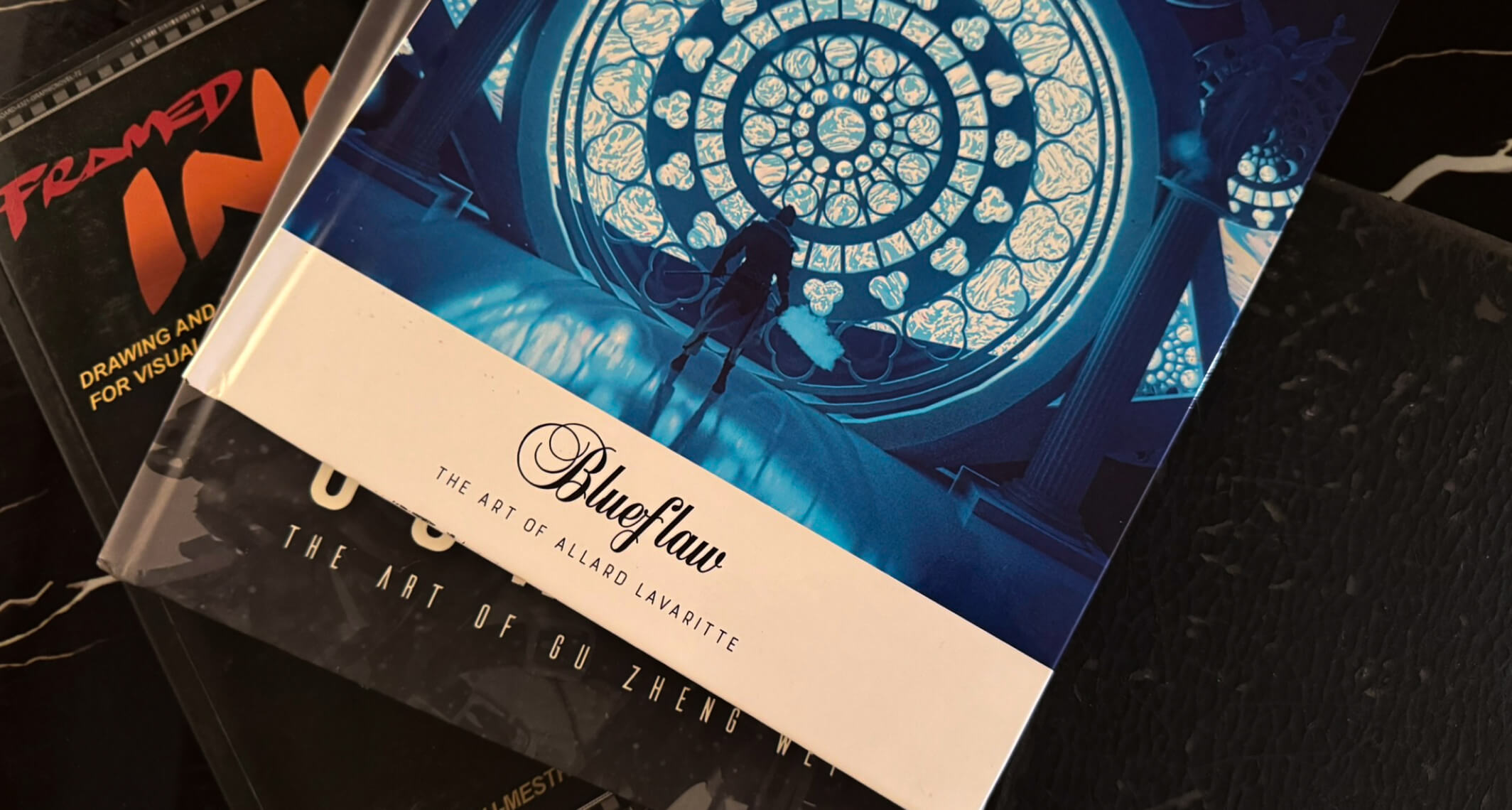
This is one of the most thoughtful gifts you can give — and one of the most personal, which means it requires knowing who the artist actually admires. I bought myself the artbook of Guweiz (Gu Zheng Wei) — a Singapore-based digital artist whose work I deeply respect. That book sits on my shelf as reference, inspiration, and something I return to regularly when I want to study how someone at that level thinks about composition, light, and character.
An artbook from an artist they love is different from a regular art book. It’s not a tutorial. It’s not a theory text. It’s a curated look at someone’s creative vision — their finished pieces, their sketches, their process. For a developing artist, studying someone they admire at that depth is genuinely valuable.
💬 From Allard:
The Guweiz artbook was a purchase I made for myself because I wanted to study his work seriously. If someone had given it to me as a gift — knowing that he’s an artist I admire — I would have been genuinely touched by the thoughtfulness. The key is the “knowing who they admire” part. Ask them. Look at whose art they repost or talk about. That’s where to start.
Popular artbooks worth considering: Guweiz artbook (digital/anime illustration), The Art of Studio Ghibli series, WLOP artbook, Ilya Kuvshinov’s works, or any “The Art of [Film/Game they love]” publication.
How to find the right one: Look at which artists they mention, repost, or reference in their own work. That’s your shortlist.
Canvas and Acrylic Painting Kit (Quality Set)
~$50–$120 USD · Traditional / mixed-media artists
I want one of these for myself — specifically to get back into traditional painting after years of being primarily digital. There’s something about acrylic on canvas that digital art can’t fully replicate: the physical texture of the paint building up, the smell of the medium, the way colors mix differently when they’re real pigment rather than pixels.
A quality canvas and acrylic kit — not the cheap beginner sets that use watered-down student-grade paint — gives a digital artist permission to explore a medium they might be curious about but haven’t invested in. It also gives a traditional painter supplies that are actually worth using.
What makes a quality kit: Artist-grade rather than student-grade acrylic paint (brands like Liquitex, Golden, or Winsor & Newton), genuine cotton or linen canvas panels rather than synthetic, and a brush set with multiple shapes and sizes. Avoid kits that seem cheap — cheap acrylic paint handles poorly, dries streaky, and discourages rather than inspires.
Who it’s for: Digital artists curious about traditional painting, or traditional painters who want to expand their medium. Not ideal for someone who already has a full traditional setup.
Tall Wooden Artist Mannequin with Stand
~$30–$80 USD · All figure-drawing artists
This is on my personal want list. A wooden mannequin is one of those reference tools that sounds old-fashioned but is genuinely useful — you can pose it, light it, photograph it from any angle, and use it as a starting reference for figure drawing poses, especially for foreshortening and unusual angles that photo references don’t always cover easily.
For an artist who draws characters — which describes most anime and illustration artists — a quality mannequin is a reference tool they’ll reach for constantly. The key is “quality”: cheap plastic mannequins with loose joints that won’t hold poses are frustrating. A solid wooden one with firm, adjustable joints is the gift worth giving.
What to look for: Solid wood construction, joints that hold poses without sagging, a stable stand, and a size large enough to see clearly (30cm+ is recommended). Brands like Jack Richeson make reliable options.
Bonus: Some artists prefer posable figure apps on iPad (like Magic Poser or Design Doll) as a digital alternative — worth considering for digital-only artists.
Part 4 — Budget Gifts That Are Genuinely Useful
These are gifts under $30 that artists actually appreciate — not because they’re cheap, but because they’re consumables or tools that run out, wear out, or get used up regularly.
Quality Sketchbook (A5 or A4)
~$8–$25 USD · Traditional / all artists
Budget ~$8–$25 USD · Traditional / all artists
A sketchbook is one of the safest and most universally appreciated gifts for any artist. The key is choosing a quality one — not a cheap lined notebook or a sketchbook with thin paper that bleeds through. Strathmore, Leuchtturm1917, and Stillman & Birn make sketchbooks with paper heavy enough to handle pen, pencil, and light marker work without issue.
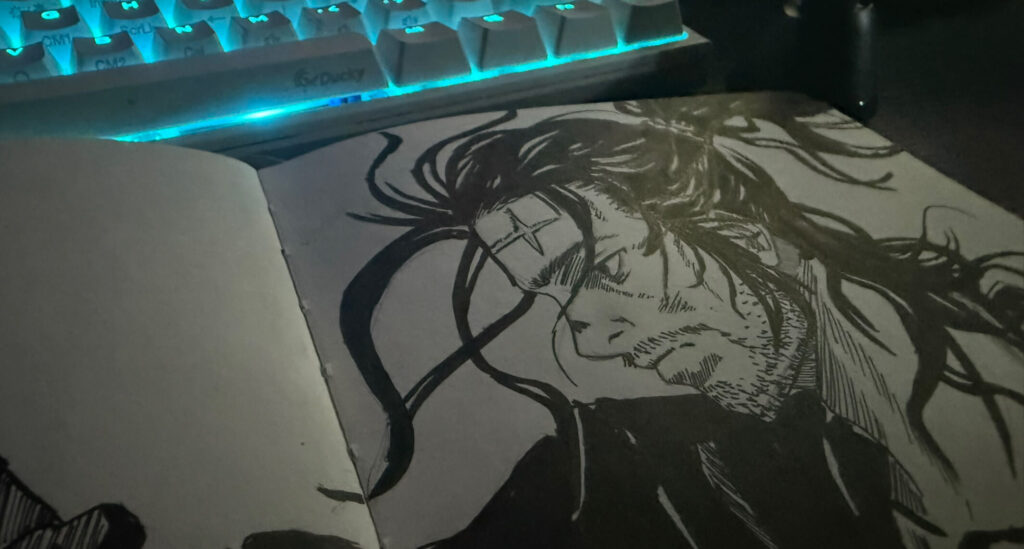
I carry a sketchbook with me to the coffee shop after the gym. It’s always in my bag. I draw in pen directly — no pencil underneath — because I like the commitment of it. A good sketchbook that you’re not afraid to “waste” is the kind of creative tool that makes you want to draw more, not less.
Recommended: Strathmore 400 Series Sketchbook (smooth or medium surface), Leuchtturm1917 hardcover notebook (great for portability), or a Moleskine Art Sketchbook for a gift that feels special to open.
Professional Drawing Pens (Fineliner Set)
~$15–$30 USD · Traditional / mixed artists
I’ve drawn with pen directly since high school — no pencil sketch, straight to ink, because the commitment of it appeals to me. A set of quality fineliners in multiple nib sizes (0.05mm, 0.1mm, 0.3mm, 0.5mm at minimum) is a gift that will be used until the pens run out and then missed when they’re gone.
Recommended brands: Staedtler Pigment Liner, Sakura Pigma Micron, or Copic Multiliner. All produce clean, archival-quality lines that don’t bleed or fade. Avoid generic off-brand fineliner sets — the ink quality matters enormously and cheap sets use ink that smears and fades.
Oil Pastel Set (Quality Brand)
~$20–$45 USD · Traditional artists
Oil pastels were a luxury item when I was growing up in Davao. I borrowed them from competitors in art contests because my family couldn’t afford them. Giving a quality oil pastel set to an artist who works traditionally is a genuinely meaningful gift — especially if they remember being the person who had to borrow.
Recommended: Sennelier oil pastels are the gold standard — rich, buttery, vibrant. Holbein and Caran d’Ache are also excellent. Avoid very cheap sets that have waxy, chalky consistency — they don’t blend well and the color payoff is poor.
Who it’s for: Traditional artists who work in mixed media, illustrators who incorporate oil pastel in their work, or artists who are curious about the medium but haven’t invested in quality materials.
Software Gift Card or Subscription (Clip Studio Paint / Adobe)
~$25–$55 USD · Digital artists
A Clip Studio Paint license or a contribution toward their Adobe Creative Cloud subscription is a genuinely practical gift for a digital artist. Unlike physical materials, software is always in use when the artist is working — it’s the environment everything happens in.
Clip Studio Paint is the most-used professional software for anime and manga illustration. A one-year subscription or a one-time purchase license is something most digital artists would happily use. Adobe subscriptions are more expensive but are the industry standard for many professional workflows.
Alternatively: A Gumroad gift card for the specific artist community — many digital artists sell brush packs, texture packs, and tutorials on Gumroad that their peers buy and use.
Part 5 — The Non-Material Gifts (Honestly the Most Appreciated)
Here’s the part no gift guide tells you. I asked myself honestly: if someone who loves me — my mom, my dad, a close friend — wanted to give me a gift right now, what would actually mean the most?
💬 From Allard — the honest answer:
If my mom asked what I wanted, I’d tell her: the Cintiq 24. She can’t buy it. So honestly? Coffee would do. Or a homecooked meal. Something that says she thought of me, took time for me, without worrying about the price. My dad — same situation. The expensive wish is the Cintiq. The real gift is going on a hike together. Getting outside. Talking. That refills something in me that makes better art afterward. My friends have never given me material gifts. They give me time. Spending time with someone who genuinely cares about what you’re making is, honestly, more motivating than most tools. The artist in your life doesn’t only need more art supplies. They also need people who take their work seriously, who ask about what they’re making, who show up and are present. That costs nothing and means everything.
Gifts of Time and Presence
- A dedicated afternoon or evening to see their work. Ask to see their portfolio, their sketchbooks, their process. Be genuinely curious. Artists often work in relative isolation — having someone who matters to them pay real attention to the work is deeply validating.
- A meal, coffee, or outing that refills them. Creative work draws on the same energy reserves as everything else in life. Time away from the screen — good food, a walk, a conversation — feeds the creative well. An artist who is fed, rested, and connected makes better work.
- Patience with their creative hours. If you live with an artist, one of the most meaningful things you can give is respect for their creative time — not interrupting sessions, not scheduling things during their dedicated drawing hours without asking. This costs nothing and means more than most people realize.
Gifts of Recognition
- Get something they made printed. Commission a print of a piece they’ve made digitally and have it framed. Artists often make work that lives only as a file. Seeing it printed and hanging somewhere — in your home, given as a framed gift — is a profound acknowledgment that the work is real and worth displaying.
- Share their work publicly. Repost their art. Tell people about what they make. A genuine word-of-mouth recommendation or social share from someone who knows and cares about the artist is more valuable than most material gifts — it builds the audience that sustains creative work over time.
Part 6 — What NOT to Buy (And Why)
⚠️ Gifts to avoid unless you’re certain they need them:
- Cheap drawing tablet “starter kits” for an experienced digital artist. If they’re already working with good tools, a cheap tablet is a downgrade, not a gift. Experienced digital artists are often deeply accustomed to their specific tool’s feel and sensitivity. Introducing a cheap alternative is more disruptive than helpful.
- Generic “art supply sets” from discount stores. These usually contain student-grade materials across every medium — a bit of watercolor, some colored pencils, a few markers — none of which is good enough to be satisfying to use. A focused gift of one excellent thing is better than a varied gift of many mediocre things.
- Novelty art-themed items. Pencil-shaped earrings, palette-print socks, “artist at work” mugs. These are gifts for someone who is adjacent to art, not for someone who makes it. An artist’s relationship to their work is serious — novelty items that treat it as a cute hobby rather than a discipline can feel slightly off-key, even when they’re given with genuine affection.
- Software or apps without checking compatibility. A Procreate gift card is useless to someone who doesn’t have an iPad. An Adobe subscription is useless to someone who uses Clip Studio Paint exclusively. Check what platform and software they use before buying anything software-related.
- Art “instructional” books without knowing what they’re working on. A figure drawing book for someone who paints landscapes. A perspective guide for someone who draws portraits. The intent is right; the application is wrong. If you’re going to give a technique book, make sure it’s about something they’re actively trying to learn.
✅ When genuinely unsure, these are always safe:
A gift card to Blick Art Materials, Amazon, or the App Store. Cash toward a specific tool they’ve mentioned wanting. An offer to take them out for a meal or coffee with no agenda. Or ask them directly — most artists will give you a real answer if they know the question is sincere.
Part 7 — Quick Reference by Budget and Artist Type
| Budget | For Digital Artists | For Traditional Artists | For Both |
|---|---|---|---|
| Under $30 | Software gift card, spare stylus nibs, desk cable organizer | Quality fineliner set, oil pastels, premium sketchbook | Good headphones (budget option), artbook they’ll love |
| $30–$100 | Clip Studio Paint license, Huion drawing tablet (beginner) | Canvas + acrylic kit, watercolor set (quality brand), wooden mannequin | Audio-Technica ATH-M50x, artbook from admired artist |
| $100–$300 | Huion Kamvas 13 pen display, iPad + Procreate (used iPad) | Full quality oil paint set + canvas, professional easel | Sony WH-1000XM4 headphones, ergonomic drawing chair |
| $300–$500 | Wacom Intuos Pro (Medium), iPad Air + Apple Pencil | Copic marker set (full range), professional lightbox | Adobe Creative Cloud annual subscription |
| $500+ | Wacom Cintiq 16 or 24, iPad Pro + Apple Pencil Pro | High-end easel + professional paint collection | Quality ergonomic desk setup, monitor color calibrator |
Frequently Asked Questions
What’s the single best gift for a digital artist?
If budget isn’t a constraint: a Wacom Cintiq pen display (the ability to draw directly on screen is transformative for most digital artists). If mid-range: the Wacom Intuos Pro or a quality set of headphones they’ll use every session. If budget-conscious: a Clip Studio Paint license or a gift card to their preferred art software platform. The pattern is: invest in tools they use every time they sit down to create, not occasional-use materials.
Is a drawing tablet a good gift for someone learning digital art?
Yes — if they’ve clearly expressed interest in digital art and don’t already have one. For a beginner, a Huion Inspiroy or a Wacom Intuos Small (not Pro) is the right entry point — capable enough to learn on without overspending on a tool they might not immediately have the skills to fully use. Don’t start with a pen display (Cintiq type) for a complete beginner — the simpler tablet is more appropriate for someone still building fundamental skills.
What do you get an artist who already has everything?
Consumables they use constantly (quality paper, ink, specific brush pens), an artbook from an artist they specifically admire, or an experience rather than a physical item — a meal out, a day trip somewhere visually interesting, or dedicated time to sit and look at their work together. If they’re a working artist with a complete professional setup, the most meaningful gifts often aren’t art supplies at all.
Are art gift subscriptions (like MasterClass or Skillshare) worth giving?
It depends on whether they actively seek out tutorials and structured learning. Some artists love learning through video courses; others prefer learning by doing and find course subscriptions go unused. If the artist in your life frequently watches art tutorials on YouTube or has mentioned wanting to learn something specific, a targeted subscription could be great. If they learn primarily through practice and experimentation, a subscription might sit unused. When in doubt, ask.
Should I get an artist supplies for a medium they don’t usually use?
Only if they’ve specifically expressed curiosity about it. A digital artist who has mentioned wanting to try acrylic painting — like I have — would appreciate a quality canvas and acrylic kit. A digital artist who has never expressed interest in traditional media probably doesn’t want a watercolor set, even if it’s high quality. The gift communicates “I was listening to what you said you wanted” rather than “I assumed you’d want this.” Listening is what makes a gift thoughtful.
What’s the most underrated gift for artists?
Good headphones. Seriously — most artists listen to music while they work, and the quality of that audio experience affects the mood and energy of the creative session more than most people realize. A quality pair of over-ear headphones (the Audio-Technica ATH-M50x or similar) is something artists use for hours every week, lasts for years, and is rarely something they prioritize buying for themselves. It’s also medium-agnostic — equally useful for digital and traditional artists, beginners and professionals.
Is it better to give cash or a gift card instead of specific art supplies?
If you’re genuinely uncertain what to buy, yes — absolutely. A gift card to Blick Art Materials, Amazon, or the App Store lets the artist choose exactly what they need at the moment they need it, which is almost always better than a guess. The reservation some people have about giving gift cards (“it feels impersonal”) is less of a concern when the recipient is going to use it to buy something specific they actually want. Pair it with a handwritten note explaining that you wanted them to have exactly what they need, and it becomes genuinely thoughtful.
What do artists actually appreciate that has nothing to do with art supplies?
Being taken seriously. Having someone ask genuine questions about their work — what they’re making, what they’re trying to achieve, what the challenges are. Having their creative time respected. Seeing their work displayed somewhere — a print of a digital piece, framed. Sharing their social media or portfolio with other people. These cost little or nothing and communicate something that no product can: that you see them as a serious person doing serious work, not a hobbyist with a cute side project. For most artists, that recognition from people they love matters more than almost any material gift.
Final Thought
The best gift you can give an artist is one that says: I was paying attention to who you actually are. That might be the Cintiq 24 they’ve been dreaming about. It might be an artbook from the specific illustrator they’ve been studying for months. It might be coffee and a conversation where you actually ask about what they’re working on.
The price of the gift matters much less than the evidence that you were listening. Artists spend a lot of their creative life in their own heads, working on things that the people around them don’t always fully see or understand. When someone close to them shows up with a gift that proves they were paying attention — to the work, to the tools, to the small things mentioned in passing — it’s one of the more meaningful experiences the creative life offers.
Start there. Everything else is details. 🖊
More From This Site
Pinterest Alternatives for Artists — the tools artists actually use for inspiration and reference
Digital Art for Beginners — if the artist in your life is just starting out, this is the guide that explains what tools they need and how to use them
Digital Art Careers — understanding how artists make money from their work helps you understand what kinds of support are most meaningful
How to Stay Motivated to Draw — the emotional and practical side of creative practice that complements any material gift
Redbubble for Artists — if the artist in your life sells print-on-demand work, understanding the platform helps you support them more effectively
Discover More Posts
Keep exploring stories, insights, and creative notes from my journey as an artist. Check out the latest blog entries and find topics that inspire your own process.
5 Hidden Art Career Killers That Stop Most Artists Before They Even Start — And How to Beat Them
Learn to draw anime-style clouds with this easy, step-by-step cloud tutorial. You’ll pick up tips on shapes, color, and composition—plus get free cloud brushes to use in your own art.

Sketching vs. Drawing: 5 Powerful Insights Every Artist Should Know
Learn the key differences between sketching and drawing—how detail, speed, tools, and intent separate the two and when to use each in your art practice.

How to Find Your Art Style in 3 Simple Steps
Learn how to find your unique art style through a clear three-step process. Discover how to collect inspiration, analyze your influences, and build your own signature look with deliberate practice.