
I’ll save you some time:
No. You don’t need an art degree to become a freelance artist.
What you actually need is solid art skills, a strong portfolio, the ability to find clients, and the discipline to keep going when it’s slow.
That’s it. Everything else is optional.
💬 From Allard — my actual background:
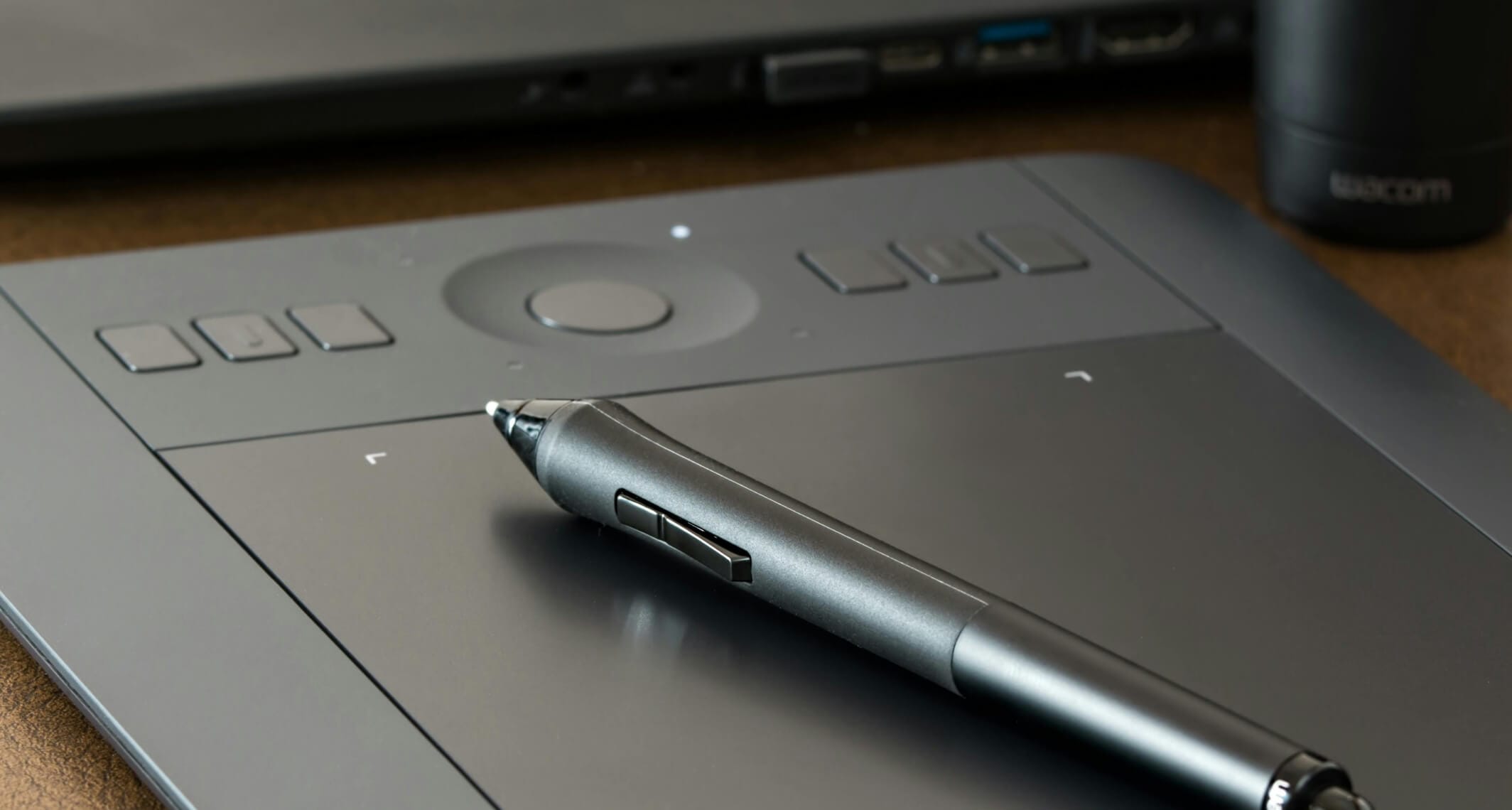
I’m self-taught. No art degree, no formal training. My professional background is in software development — I bought my first Wacom tablet with my first developer paycheck and built my art skills alongside my tech career. I’ve taken on character commissions for private clients, created content for social media, and worked on game and concept art projects. My first clients came through a mix of posting on commission platforms and word of mouth — not through any school connection or credential. The developer income meant I wasn’t financially desperate while building the portfolio, which is something I’ll be honest about later in this article. That context matters.
What Is a Freelance Artist, Really?
A freelance artist gets paid to create artwork for clients — on their own terms, without being tied to one company.
That could be character commissions, book covers, concept art for games or films, social media content, or private client work. You work with different clients on different projects, often at the same time.
You also handle everything yourself: pricing, deadlines, communication, taxes, marketing. It’s freedom — but it comes with full responsibility for every part of the business, not just the art.
💬 From Allard:
My freelance work has spanned character commissions from private clients, social media content creation, and game and concept art projects. Each type of client has completely different expectations, communication styles, and revision processes. A private commissioner for a character piece wants something personal and collaborative. A game studio client wants professionalism, technical specs, and fast turnaround. Neither of them asked where I went to school. Every single client conversation has been about the work — what I can make, how reliable I am, and whether my style fits what they need.
What Actually Matters (More Than a Degree)
1. Your Portfolio — This Is Everything
No one is hiring you because of a diploma. They’re hiring you because of your work.
Your portfolio decides whether you get clicks, whether you get replies, and whether you get paid. If your work looks like what a client wants, you’re in. If it doesn’t, you’re out. Simple as that.
The biggest mistake I see is trying to do everything. Don’t. Pick a direction and get really good at it. If you enjoy anime characters, lean into that. Fantasy armor? Go all in. Stylized portraits? Build around that. You don’t need to be good at everything — you need to be useful to a specific type of client.
💬 From Allard:
My first commissions came from posting on platforms and word of mouth — not from having impressive credentials or a referral from a school network. What got people to reach out was seeing specific work they responded to. The Valorant/Breach piece I posted generated more direct interest than anything generic I’d made before it. Not because it was my best technical work, but because it was specific — it targeted an audience that cares about that character, that game, that aesthetic. Specificity in your portfolio does more for client acquisition than almost anything else.
For honest guidance on whether your work is ready for commercial commissions, read: How to Know If You’re Good Enough to Take Art Commissions.
2. Fundamentals — They’re Doing the Heavy Lifting Underneath
Even if your style is simple or heavily stylized, fundamentals are what hold it together. Anatomy, lighting, perspective, color — you don’t need to master all of them at once, but you do need to improve the ones that impact your work the most.
If you draw characters, anatomy is your priority. If you paint environments, perspective and lighting matter most. This is where most self-taught artists either grow fast or stay stuck — the difference is whether you’re practicing deliberately or just producing comfortable work.
💬 From Allard:
Being self-taught means no one tells you what to study next or what’s holding your work back. I spent time on things that didn’t move the needle before I figured out what actually did. For character work, anatomy was the unlock. Once I understood construction well enough to draw convincing figures from imagination — not just copying reference poses — the quality of my commissions went up noticeably and the revision requests went down. That improvement came from targeted study, not from having an instructor point it out. It just took longer to figure out than it would have in a structured environment.
If you want to build your color foundation, start with my color theory guide for beginner artists. For character work specifically, the anime faces guide is a good practical starting point.
3. Visibility — Your Art Won’t Sell If No One Sees It
A lot of artists quietly improve for years and never make money. Not because their art isn’t good enough — but because no one sees it.
If you’re not posting your work, sharing it where your audience is, or making it clear you take commissions, nothing happens. This is where most people fail. Not skill. Visibility.
💬 From Allard:
My first clients came through commission platforms and word of mouth — which means someone had to see the work first before they could recommend me or hire me. Posting consistently on ArtStation and keeping my profiles active was what created those initial touchpoints. The word-of-mouth referrals came later, after someone had a good experience, and those were the easiest clients to work with because they came in already trusting the work. But none of that chain starts without the initial visibility. If you’re not posting, you’re invisible — regardless of how good the work is getting in private.
If you find it hard to stay consistent while building in the background, read: How to Stay Motivated to Draw.
4. Communication — It’s Part of the Job
Freelancing isn’t just drawing. It’s emails, messages, revisions, questions. Some clients are easy. Some aren’t.
You’ll deal with unclear briefs, too much feedback, not enough feedback, and people changing their minds halfway through. That’s normal. Learning how to handle it calmly and professionally is a real skill — and it directly affects how much money you make and whether clients come back.
💬 From Allard:
The hardest client interactions aren’t about the art — they’re about managing expectations that weren’t set clearly at the start. I learned this by getting it wrong first. Clients who give vague briefs aren’t trying to make your life difficult; they often don’t know how to articulate what they want until they see something. The fix is asking more questions upfront, showing rough thumbnails before committing to a final direction, and being clear about what’s included in the price versus what constitutes an additional revision. Most client friction is preventable. It just takes experience to know where the friction points are.
5. Discipline — More Important Than Talent
No one is forcing you to work. No deadlines until there are. No boss. No structure. That sounds great — until you realize that if you don’t work, you don’t get paid.
This is why discipline matters more than talent in freelancing. You need to practice consistently, improve your portfolio, and keep marketing even when it’s quiet — especially when it’s quiet.
💬 From Allard:
Having developer income while building my art freelance career meant I wasn’t in a financially desperate position — and I want to be honest about that because it’s a real advantage that not everyone has. The pressure of needing commissions to pay rent is a different and harder situation than building toward freelance while a day job covers the basics. That said, the discipline requirement doesn’t change regardless of your financial situation. The artists I’ve seen stall out aren’t the ones who needed the money badly — they’re the ones who didn’t have a consistent practice. Consistency is the thing you can control.
For building sustainable practice habits, read: 8 Habits That Will Actually Improve Your Art.
So Where Does a Degree Actually Fit?
A degree can help. It’s not required. Here’s an honest breakdown of what it actually gives you — and what it doesn’t.
What a degree genuinely offers:
- Structure: A clear learning path instead of figuring out what to study next by yourself
- Accountability: Deadlines, critiques, and instructor feedback that push you to improve faster than self-directed study often does
- Networking: Relationships with other artists and instructors that can lead to work, referrals, and collaboration later
- Credibility for specific fields: Some fields — medical illustration, art therapy, certain teaching positions — do require formal credentials
What people don’t talk about enough:
⚠️ The honest downsides:
Degrees are expensive — and not all of that cost translates into better freelance outcomes. Some courses are excellent. Some are outdated. Some focus on areas you’ll never use in the work you actually want to do. Before committing, research what students actually produce, where graduates end up, and whether the curriculum aligns with your goals. Otherwise you’re paying a significant amount for very little return on the specific career you’re building.
| Degree Path | Self-Taught Path |
|---|---|
| Structured learning progression | Flexible — study what you need, when you need it |
| Significant financial cost | Cheap to free (YouTube, Krita, practice) |
| Built-in network of artists and instructors | Network built slowly through posting and community |
| Instructor feedback on your specific work | Self-directed — figuring out your weaknesses alone |
| Credential for specific institutional fields | Portfolio replaces credential for most freelance work |
| 4 years to complete typically | Progress at your own pace |
The Self-Taught Reality — What It’s Actually Like
A large number of working freelance artists are self-taught. They learn through YouTube, courses, practice, and trial and error. It’s more flexible and much cheaper than a degree — but the tradeoffs are real.
No one tells you what to study next. No one tells you what you’re doing wrong. No one tells you when you’re ready. You make all of those calls yourself, which means you’ll sometimes get them wrong and spend time on things that don’t move the needle.
💬 From Allard — the honest version of the self-taught path:
Being a developer while building my art career gave me something important: financial breathing room. I wasn’t under pressure to monetize the art immediately, which meant I could be selective about what commissions I took, build the portfolio at a quality level I was actually proud of, and say no to work that didn’t fit the direction I wanted to go. That’s a real advantage and I’d be dishonest to pretend otherwise. If you’re in a position where you need freelance income quickly, that’s a harder situation — and a degree or structured course might actually accelerate your path to income faster than pure self-direction would. Context matters. The “you don’t need a degree” answer is true, but the path looks different depending on your financial reality.
The self-taught path also means you’re responsible for figuring out whether to go digital or traditional, which fundamentals to prioritize, and what style direction to develop — all without a curriculum telling you the answer. For that last question, read: Digital Art vs. Traditional Art: Which Should You Choose?
When an Art Degree Does Make Sense
There are genuine situations where pursuing formal education is the right call:
- You’ve tried self-directed learning and consistently struggle with motivation or knowing what to study
- You want structured feedback on your work from people who can see it in real time
- You’re aiming for a field that actually requires credentials — medical illustration, art therapy, teaching at an institutional level
- The networking access at a specific school is genuinely valuable for the industry segment you’re targeting (some game studios do recruit heavily from specific programs)
- You have the financial means and the opportunity cost makes sense for your situation
💡 The question to actually ask:
Not “do I need a degree?” but “what’s the fastest path to the specific freelance career I want?” Sometimes that’s self-taught. Sometimes structured education genuinely accelerates it. The answer depends on your goals, your financial situation, and how well you work without external accountability.
What I’d Do If I Started Again
I wouldn’t rush into a degree. I’d spend the first year doing this:
- Build a portfolio around one clear direction — not a showcase of everything, but depth in one area
- Study the fundamentals that specifically affect that direction (anatomy for characters, perspective for environments)
- Post consistently on the platforms where my target clients actually are
- Take small commissions early — even underpriced ones — to understand the client communication process before the financial stakes are high
That first year tells you everything: whether you enjoy the work, whether you can stay consistent without external pressure, and whether people respond to what you’re making. After that year, you’ll know whether a structured program would help fill gaps — or whether you have enough momentum to keep going without one.
💬 From Allard:
The part I’d do differently is figuring out my niche earlier. I spent time making a wide range of work before I understood that specificity is what attracts clients. A commission platform profile that shows ten different styles in ten different genres looks like someone still exploring. A profile with ten strong pieces in one clear aesthetic direction looks like someone who knows what they do and does it well. Clients aren’t looking for versatility — they’re looking for the person who does exactly what they need, better than anyone else they’ve found. Find that thing faster than I did.
The Bottom Line
Clients don’t care about your art degree. They care about what you can make, how reliable you are, and whether you can deliver what they need.
If your work is good and visible, you can get paid. If it’s not, a degree won’t fix that on its own — and if it is, you don’t need one to start.
The path to freelance art isn’t a single road. It’s a set of decisions that look different depending on your financial situation, your self-discipline, your target market, and how quickly you need to generate income. What doesn’t change regardless of path: the portfolio is what gets you hired. Build that first, and decide everything else from there.
✅ Where to go from here:
- Just starting out? → What Is Digital Painting — tools, workflow, and what to actually expect
- Building your portfolio? → How to Know If You’re Ready to Take Commissions
- Want more ways to monetize? → Ways to Make Money as an Artist
- Struggling with consistency? → How to Stay Motivated to Draw
Frequently Asked Questions
Do clients ever ask if you have an art degree?
In five years of freelance work across character commissions, social media content, and concept art projects — not once. Every client conversation starts and ends with the portfolio. The first thing any serious client asks is “can I see your work?” The last thing they care about is where you studied. The credential that matters in freelance art is a body of work that demonstrates you can deliver what they need, reliably, at a level of quality that justifies your rate.
Is self-taught art taken less seriously by professional studios?
At the portfolio review stage, no. Major game studios, animation houses, and publishers evaluate work on its merits. Where a degree can help is in getting through the door to that review — some larger studios recruit at specific schools, and having alumni connections can create opportunities that aren’t publicly posted. But the work still has to stand up. A degree gets you the conversation; the portfolio is what gets you the job. Self-taught artists with strong portfolios regularly land studio positions. Artists with degrees and weak portfolios regularly don’t.
How long does it take to build a freelance-ready portfolio from scratch?
With consistent, intentional practice — genuinely working on your weak areas, not just producing comfortable work — most artists can build a portfolio worth showing to clients within 12–18 months. “Freelance-ready” doesn’t mean perfect; it means you have enough strong, specific pieces in your chosen direction that a client in that space would recognize your work as relevant to them. The timeline compresses significantly if you practice deliberately and finish pieces rather than abandoning them when they get difficult.
What’s the best platform to get first commissions as a self-taught artist?
It depends on your style and target client. ArtStation is the standard for concept art and professional illustration work — studios and serious clients look there first. DeviantArt and Twitter/X still have active commission communities, especially for character and anime-style work. Fiverr and similar platforms have high volume but low rates and difficult client dynamics, and I’d treat them as a last resort rather than a starting point. My recommendation: post your strongest work on ArtStation, engage with communities on the platforms where your target clients hang out, and make it visible and explicit that you take commissions. The “I’m available” signal matters more than most artists realize.
Can I freelance while keeping a day job?
Yes — and honestly, for most people starting out, this is the smarter approach. Freelancing income is unpredictable in the early stages. Having income from another source while building the portfolio and client base removes a lot of financial pressure that tends to result in bad decisions — underpricing, taking bad-fit clients, rushing work to generate cash. The goal isn’t to stay in that position forever; it’s to build toward freelance from a position of stability rather than desperation. The work you produce under less financial pressure is usually better, which builds the portfolio faster, which generates better clients sooner.
What should I charge for my first commissions?
Research what artists at your current skill level charge for similar work — ArtStation, Twitter, and commission-specific platforms make this relatively visible. Don’t undercharge dramatically in hopes of attracting clients; significantly underpriced work signals inexperience and attracts difficult clients looking for cheap work rather than good clients looking for a specific artist. Charge something that feels slightly uncomfortable but fair for your current level, deliver excellent work, and raise rates as the portfolio strengthens. The rate conversation is much easier when you have a body of completed commissions to point to.
How do I handle clients who want endless revisions?
Set revision limits in writing before the work starts — one round of revisions included, additional rounds at an hourly rate or a set fee. This isn’t adversarial; it’s professional. Most clients who request endless revisions aren’t bad people; they just weren’t given clear expectations at the start. A simple commission terms document (even just a paragraph in your initial message) that specifies what’s included, what the revision policy is, and what constitutes a change in scope prevents the majority of difficult revision situations before they start.
What to Read Next
- What Is Digital Painting? — the full breakdown of tools, workflow, and what to expect when starting out
- How to Know If You’re Ready to Take Commissions — the honest answer to the question most artists are afraid to ask
- Ways to Make Money as an Artist — commissions are one income stream; here are the others worth knowing about
- How to Find Your Art Style in 3 Steps — the portfolio niche question, answered with a practical process
- Best Free Drawing Apps for Beginners — if you’re building the technical foundation without spending much, start here
The degree question is a distraction from the real question: are you building the work? Answer that one well and everything else takes care of itself. 🖊
Discover More Posts
Keep exploring stories, insights, and creative notes from my journey as an artist. Check out the latest blog entries and find topics that inspire your own process.
5 Hidden Art Career Killers That Stop Most Artists Before They Even Start — And How to Beat Them
Learn to draw anime-style clouds with this easy, step-by-step cloud tutorial. You’ll pick up tips on shapes, color, and composition—plus get free cloud brushes to use in your own art.

Sketching vs. Drawing: 5 Powerful Insights Every Artist Should Know
Learn the key differences between sketching and drawing—how detail, speed, tools, and intent separate the two and when to use each in your art practice.
How to Find Your Art Style in 3 Simple Steps
Learn how to find your unique art style through a clear three-step process. Discover how to collect inspiration, analyze your influences, and build your own signature look with deliberate practice.